

The 20 Most Beautiful Animals in the World (And Where to See Them)
August 12, 2026

Afrishare Trekking & Safaris
Explore 20 of the world's most beautiful animals, from majestic lions and giraffes in Tanzania to rare mountain wildlife. Book your dream safari with Afrishare Trekking and Safaris today!
Nature is the ultimate artist, painting the natural world with vibrant colors, striking patterns, and extraordinary creatures. From the sweeping savannahs of the Serengeti to high mountain peaks, our planet is home to breathtaking biodiversity.
At Afrishare Trekking and Safaris, we believe that witnessing these majestic creatures in their natural habitat is one of life’s most profound experiences. In this guide, we highlight 20 of the world's most beautiful animals—many of which you can encounter firsthand on a Tanzanian safari expedition.
The Spectacular Wildlife of East Africa
1. Maasai Giraffe
The Maasai giraffe is the largest of all giraffe subspecies, with males reaching up to 5.5 meters (18 feet) tall and weighing over 1.3 tons. Easily identifiable by their jagged, oak-leaf coat patterns, every individual carries a markings blueprint as unique as a human fingerprint. Researchers have found that a calf inherits its spot shape from its mother, and larger, irregular spot patterns correlate higher with reaching adulthood.
A giraffe's neck features just seven vertebrae—each about the size of a human head—powered by a massive 11-kilogram (24-pound) heart that pumps blood skyward to its brain. Their dark blue, 50-centimeter tongue is rich in melanin to guard against sunburn while plucking leaves from thorny acacia trees. According to the African Wildlife Foundation, an adult giraffe consumes up to 30 kilograms (66 pounds) of foliage daily. While they can sprint up to 56 km/h (35 mph) and deliver hooved kicks strong enough to ward off predators, human encroachment has reduced their population from 70,000 to 35,000 in recent decades.
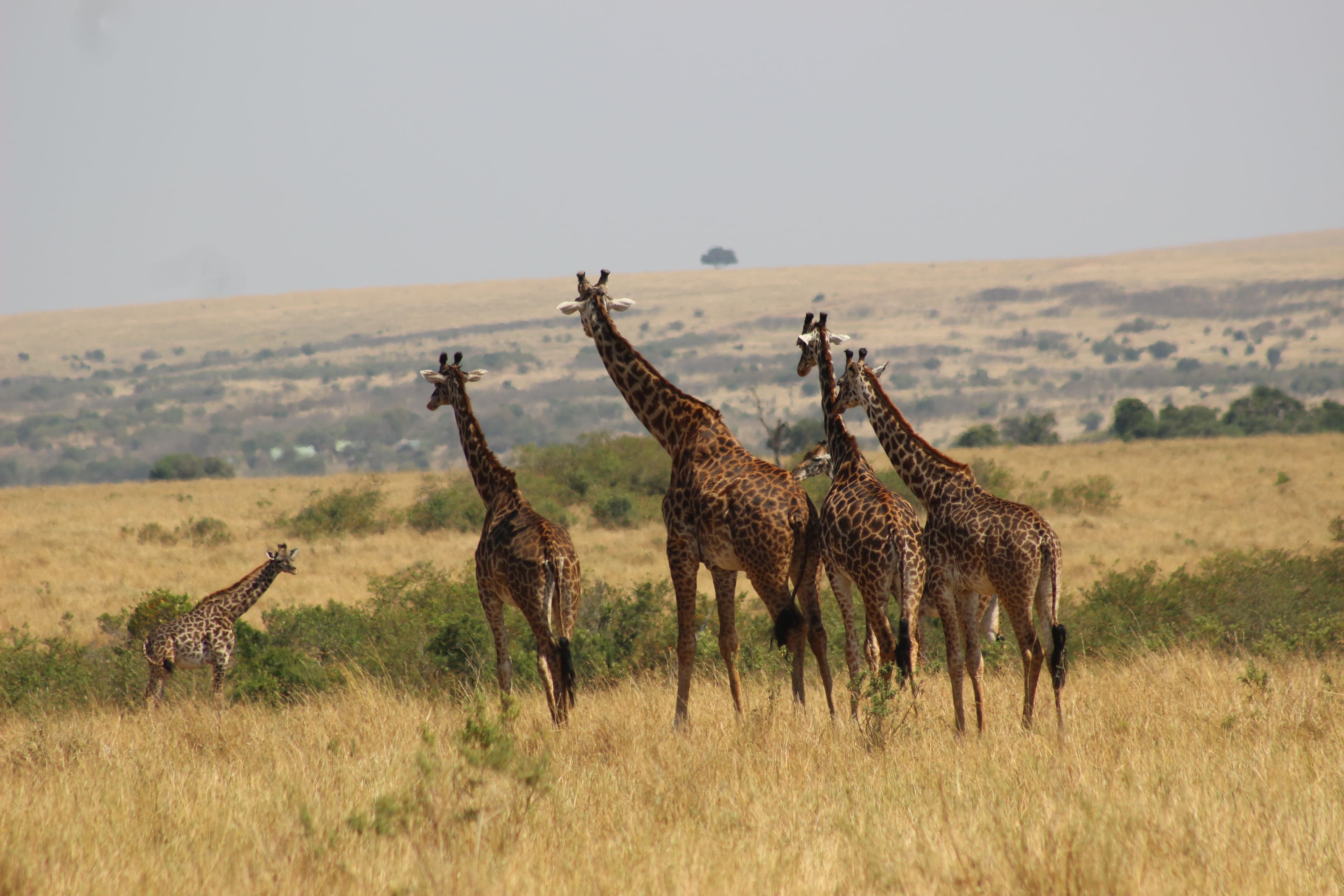
Safari Tip: Spot Maasai giraffes browsing across Tarangire and Serengeti National Parks with Afrishare Trekking and Safaris.
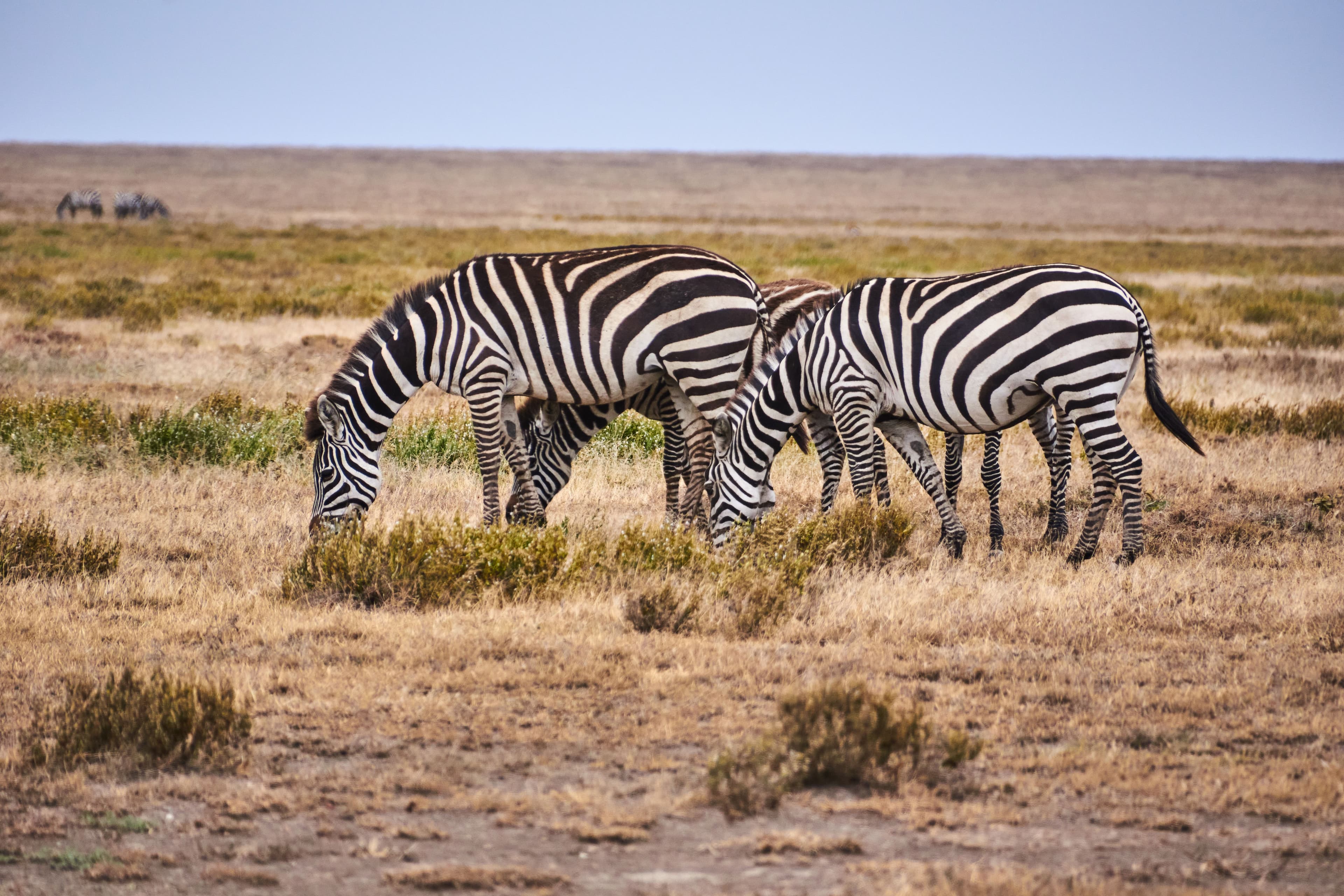
2. Plains Zebra
The plains zebra is celebrated for its dazzling coat, a survival mechanism that baffled scientists for generations. A landmark 2014 study in Nature Communications confirmed that these iconic stripes primarily function to repel bloodsucking flies and parasites.
Reaching speeds up to 65 km/h (40 mph), zebras evade predators by running in unpredictable zigzag patterns. They are also famous for holding the record for the longest terrestrial mammal migration in Africa, covering over 500 kilometers across southern ecosystems.
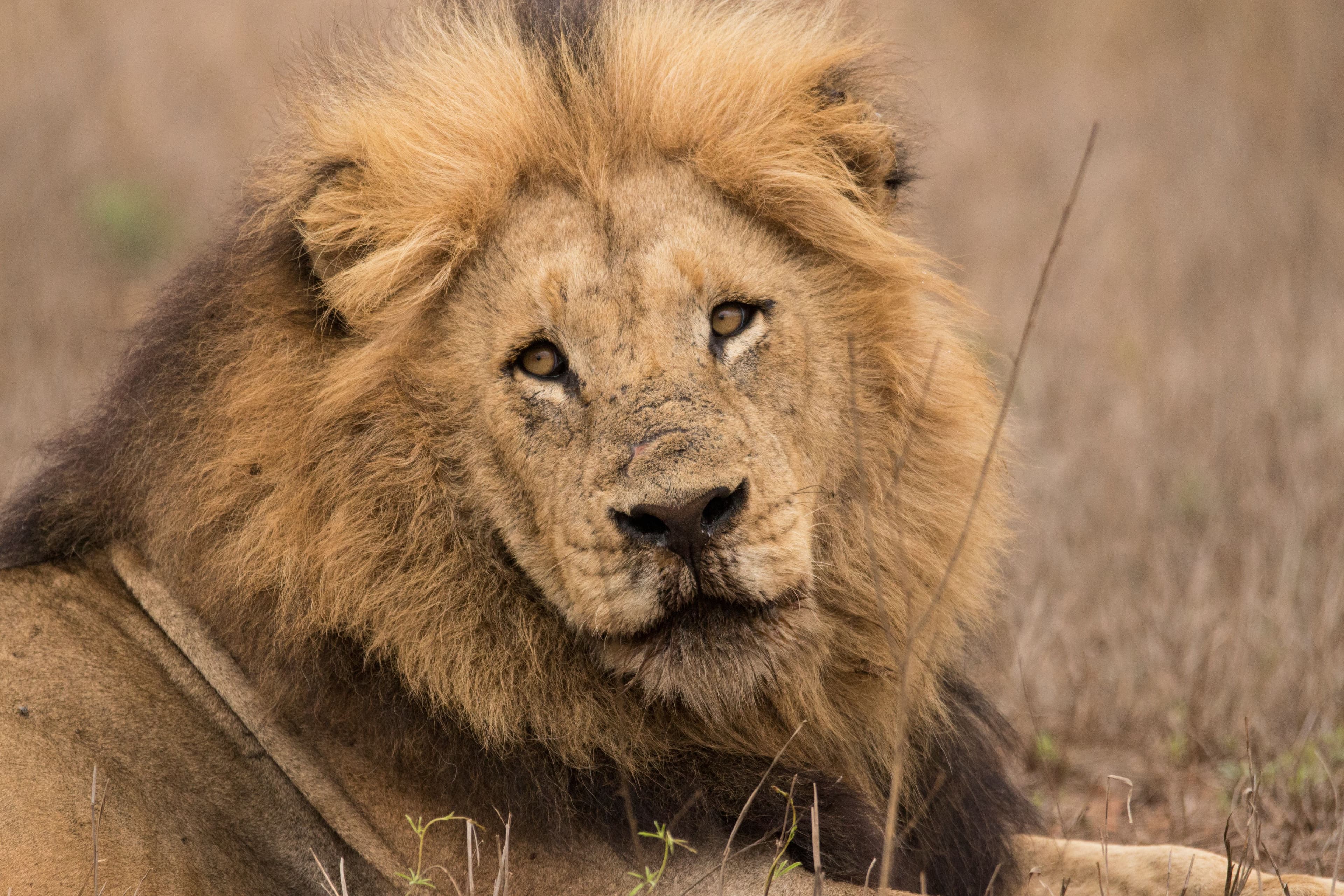
3. African Lion
Known as the king of the savannah, lions boast a unique social structure among felines, living in close-knit prides of 10 to 20 members. Females manage group hunting strategies, while dark-maned males—whose thick manes signify high testosterone levels—defend territorial boundaries.
A lion’s roar can travel up to 8 kilometers (5 miles) across the plains, thanks to an elongated larynx. Lions spend up to 20 hours a day resting to conserve energy for twilight hunts. Legendary lions, such as the famous Scarface of the Maasai Mara ecosystem who ruled a pride over 400 square kilometers until his natural death at age 14 in 2021, showcase the raw power of these apex predators.
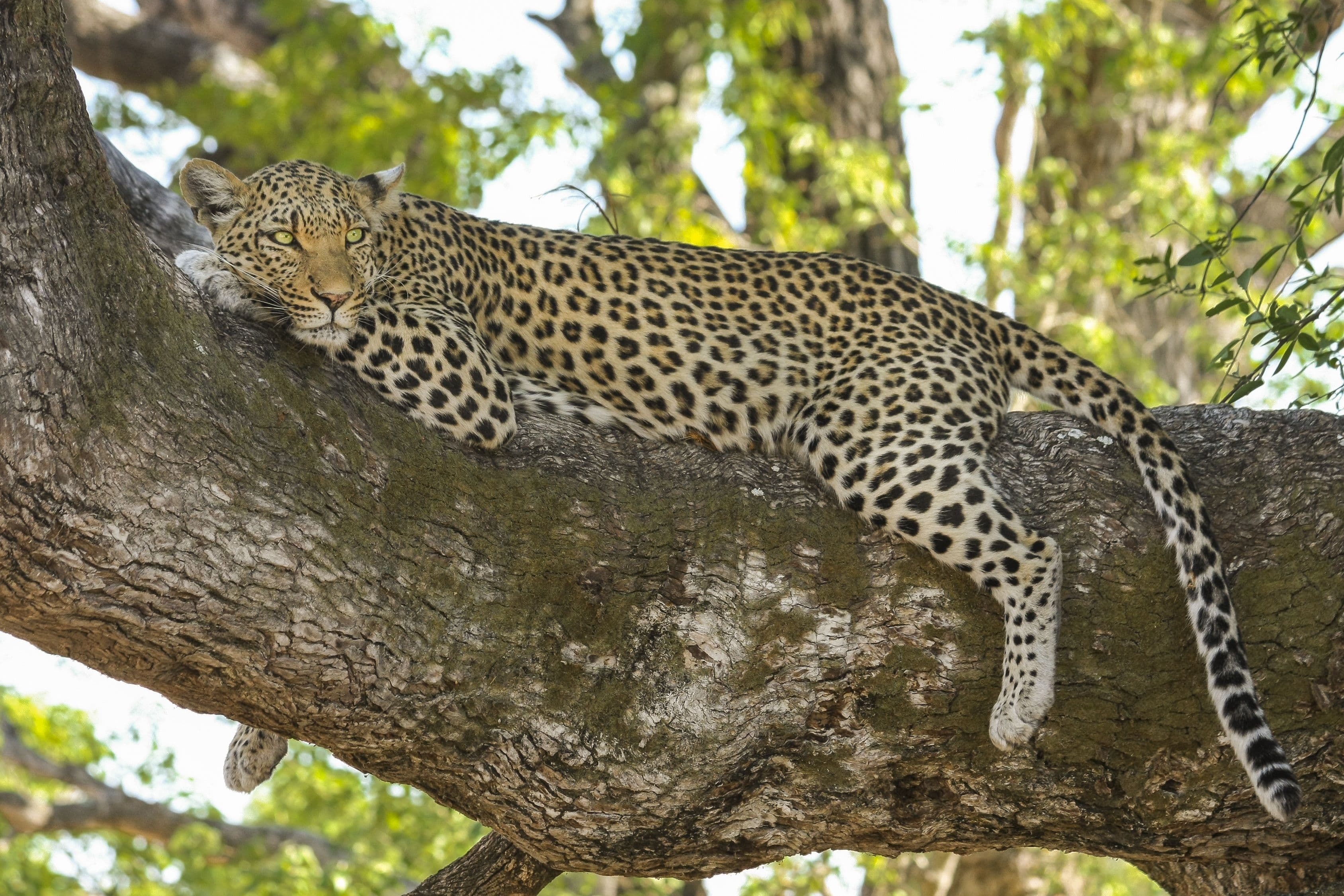
4. African Leopard
Revered for their camouflage and power, African leopards adapt seamlessly across savannahs, forests, and mountain regions. Their spotted coats are dark in dense forests and lighter in dry grasslands.
A 2024 study revealed that each leopard possesses a unique vocal signature, enabling scientists to identify individuals by call with 93% accuracy. Skilled at climbing, leopards can leap 6 meters (20 feet) horizontally and 3 meters (10 feet) vertically. Despite their high adaptability, they remain listed as vulnerable by the IUCN due to habitat loss.
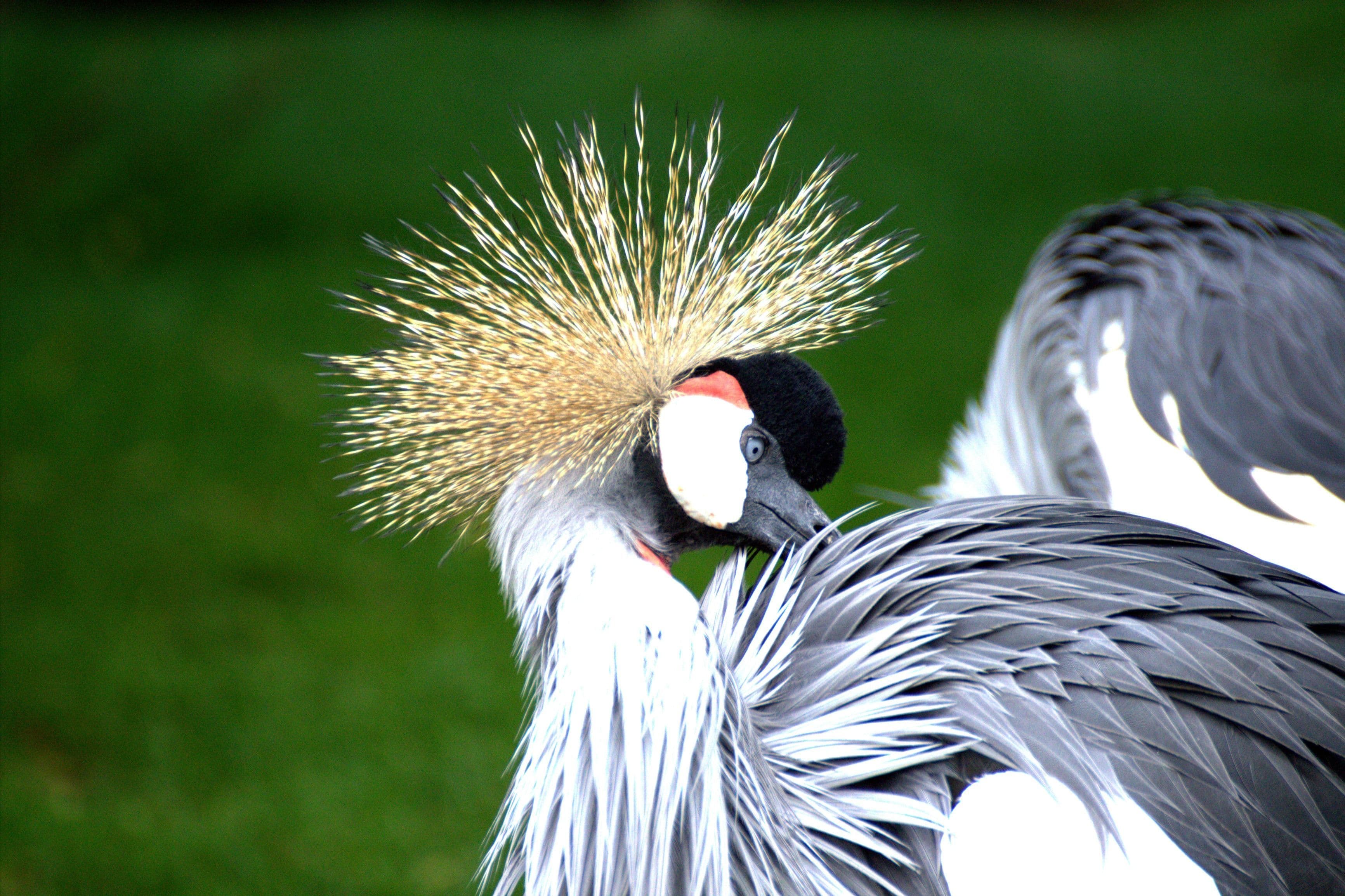
5. Grey Crowned Crane
Standing 1 meter tall, the grey crowned crane features a distinctive golden crest, white cheek patches, and a red throat sac. Unlike most other crane species, grey crowned cranes possess an elongated hind toe that allows them to grip branches and roost in tree canopies.
These birds are monogamous and engage in elaborate courtship displays filled with bows, jumps, and calls. Today, wetland drainage and land cultivation threaten their remaining wild populations.
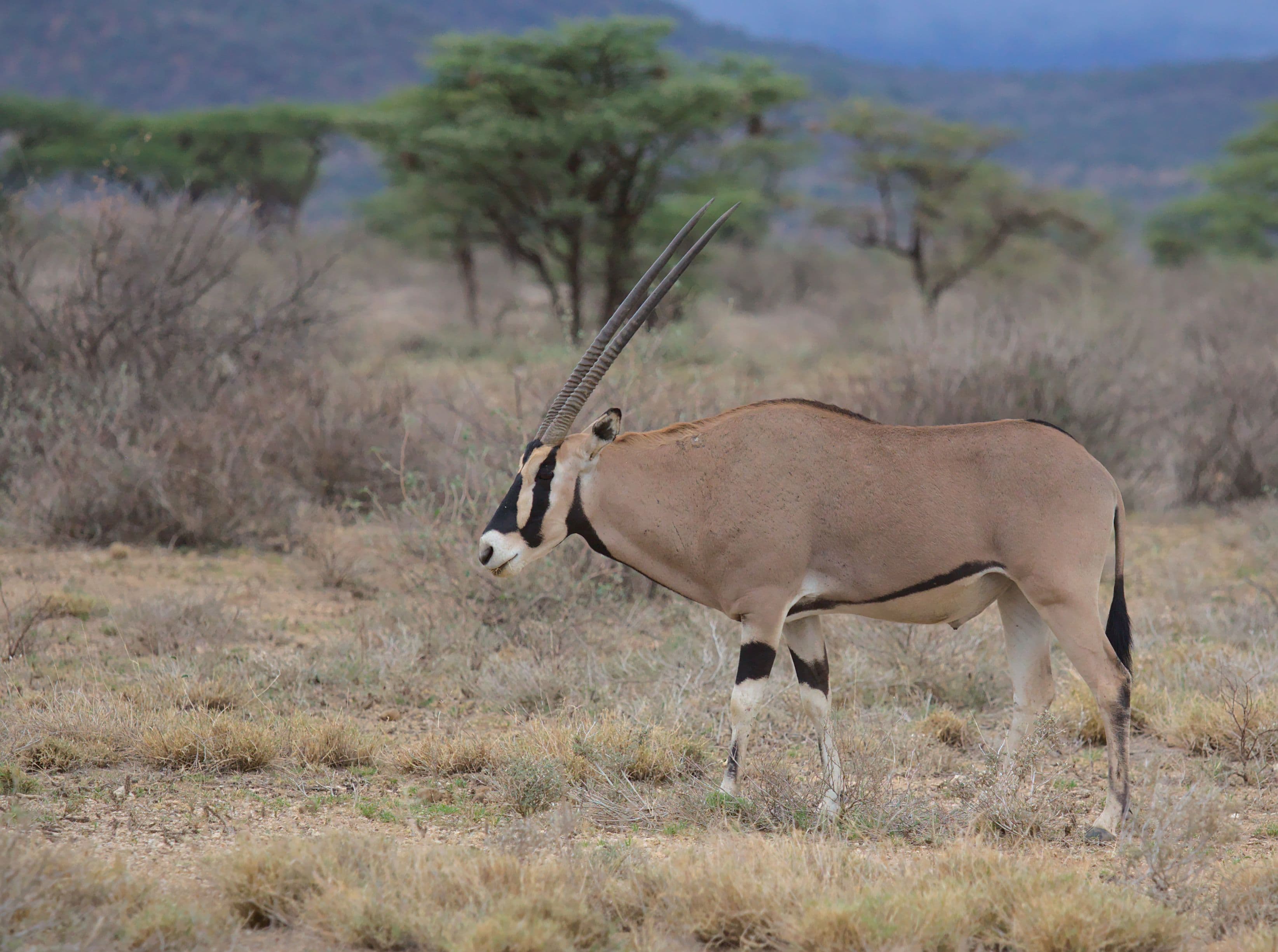
6. East African Oryx (Beisa Oryx)
Found in the arid regions of East Africa, the Beisa oryx sports a gray coat, striking facial stripes, and long, straight horns up to 85 centimeters in length.
These social antelopes possess an efficient water metabolism, allowing them to withstand high internal temperatures and limit sweating during severe droughts. With only 11,000 to 13,000 mature individuals remaining in the wild, spotting one on safari is a rare privilege.
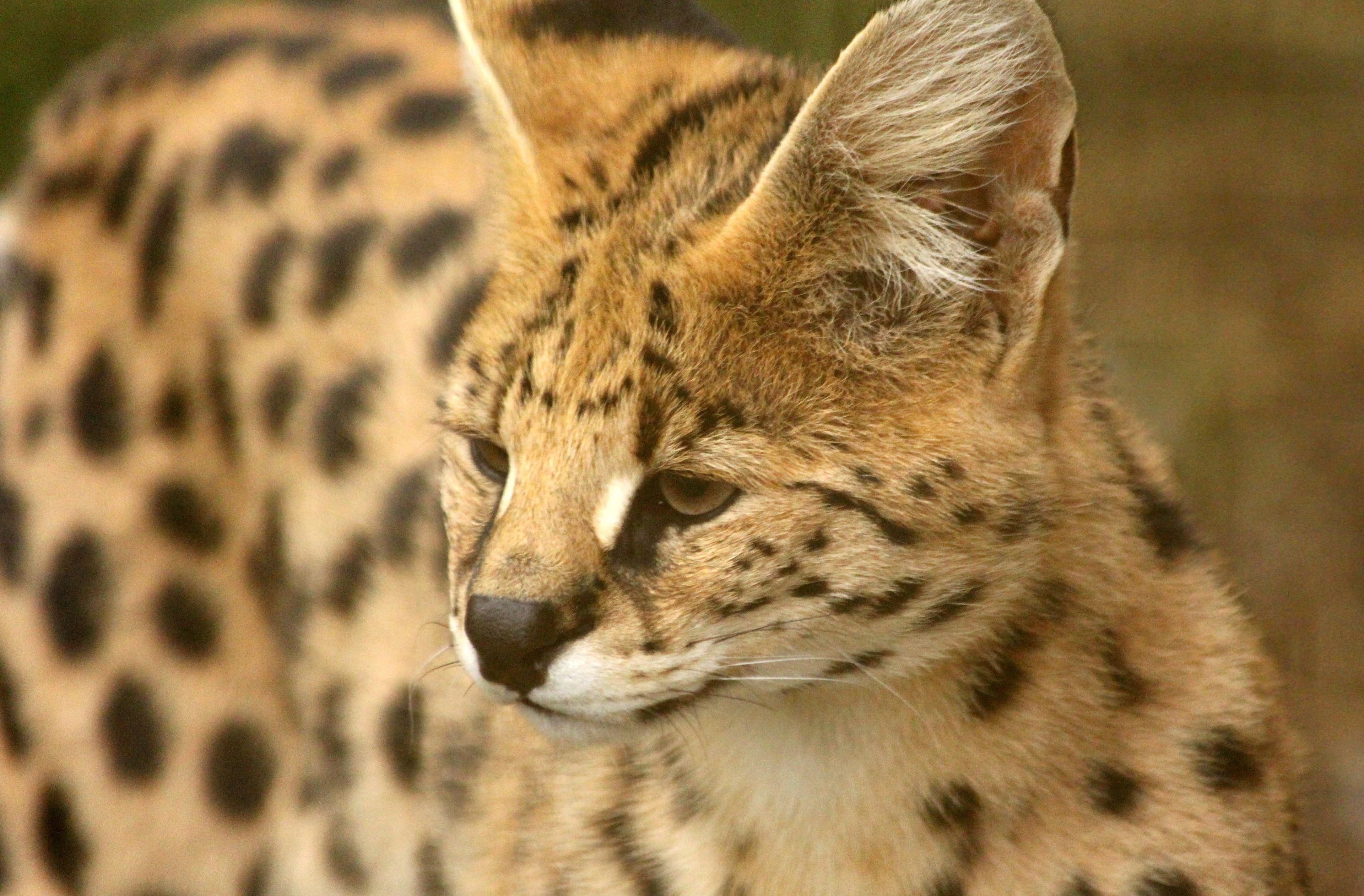
7. Serval
The serval is a slender wild cat native to the African savannah, known for its extra-long legs and large ears. Standing out as incredible jumpers, servals can spring up to 2.7 meters (8.9 feet) into the air to pounce on unsuspecting prey.
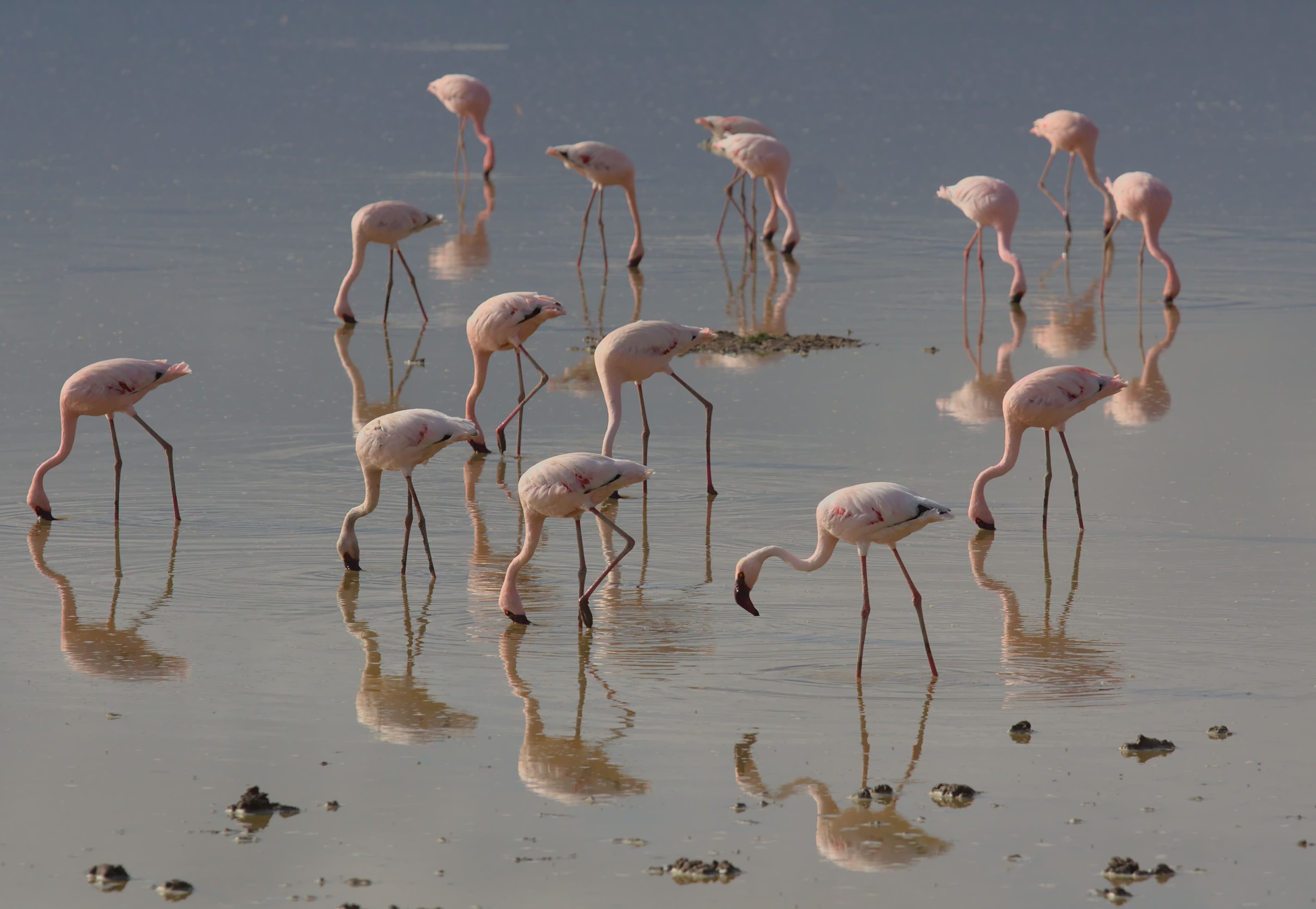
8. Lesser Flamingo
Every year, hundreds of thousands of lesser flamingos gather at saline lakes in East Africa, such as Tanzania’s Lake Natron. Their famous pink color stems directly from carotenoid pigments in the algae and crustaceans they eat.
Their unique leg joints allow them to lock their muscles and balance on one leg effortlessly, saving vital body energy.
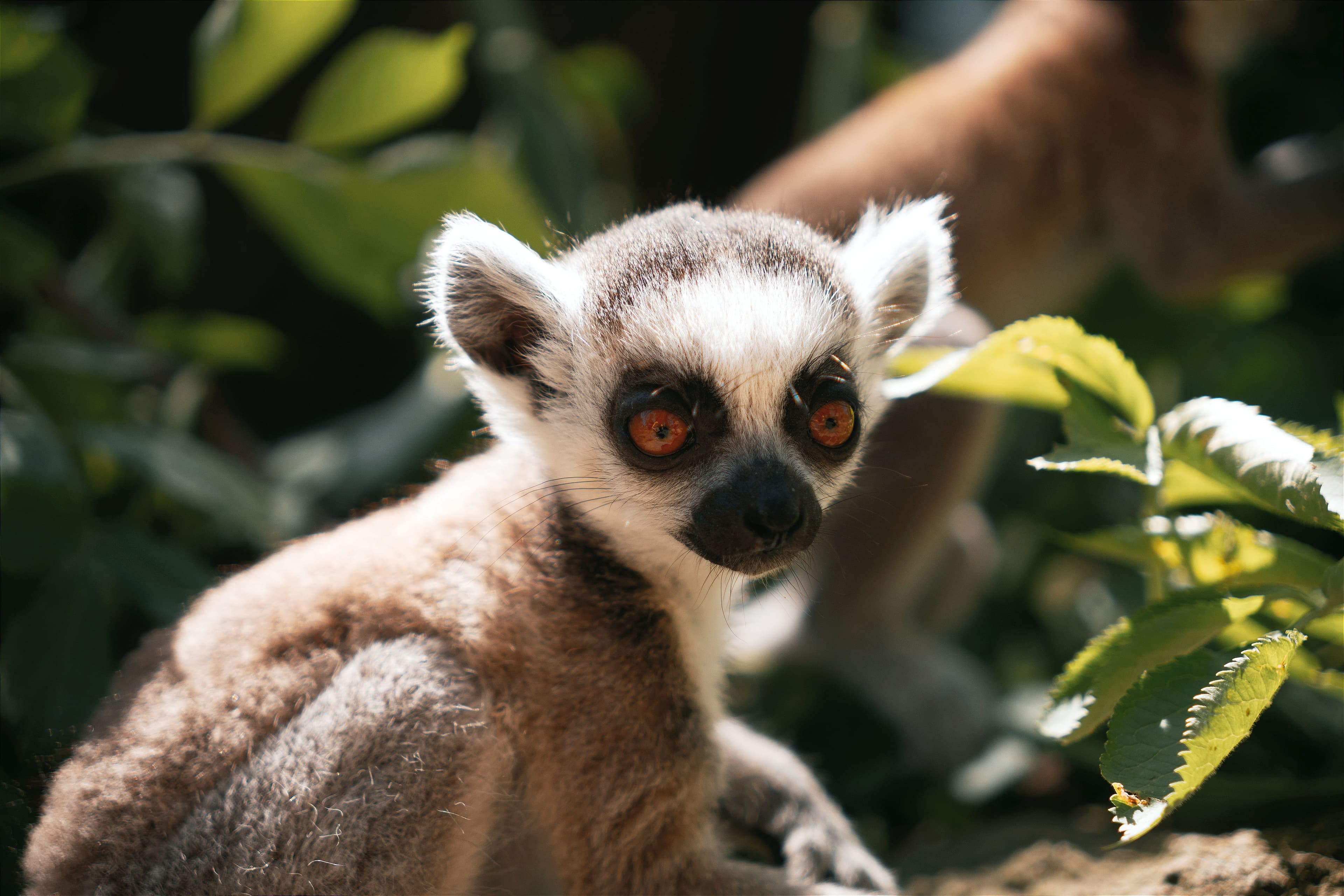
9. Galago (Bushbaby)
Weighing under 200 grams, galagos are nocturnal primates recognized by their huge eyes and fluffy tails. They use a specialized spring-like tendon mechanism in their legs to leap over 2 meters vertically between tree branches. Galagos feed primarily on tree gum, scraping bark open with specialized lower teeth.
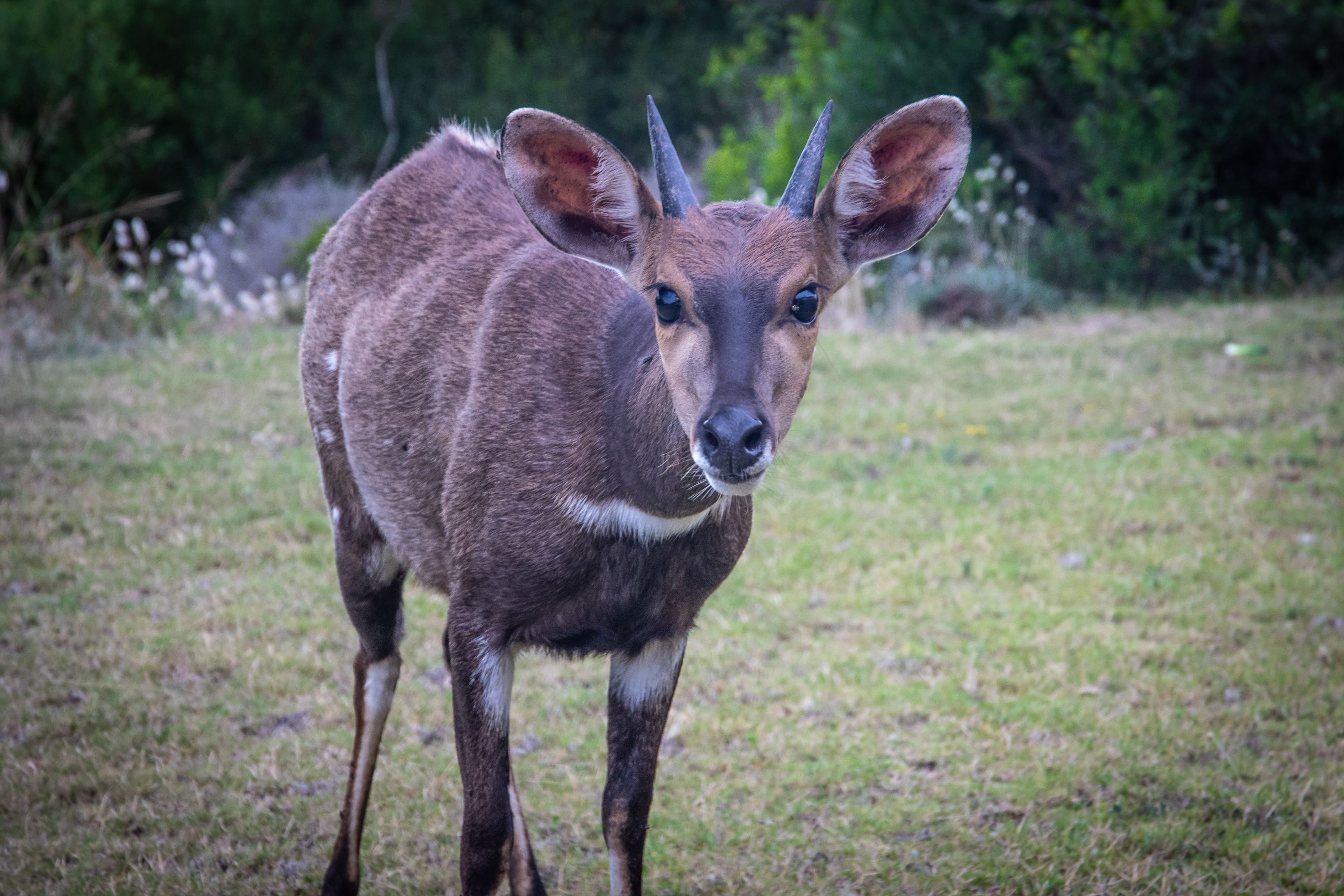
10. Duiker
Deriving their name from the Afrikaans word for "diver," duikers are shy, elusive antelopes that dive deep into forest vegetation at the first sign of danger.
While most species are small, the rare Abbott's duiker can weigh up to 60 kilograms and inhabits high-altitude regions like Mount Kilimanjaro and the Udzungwa Mountains.
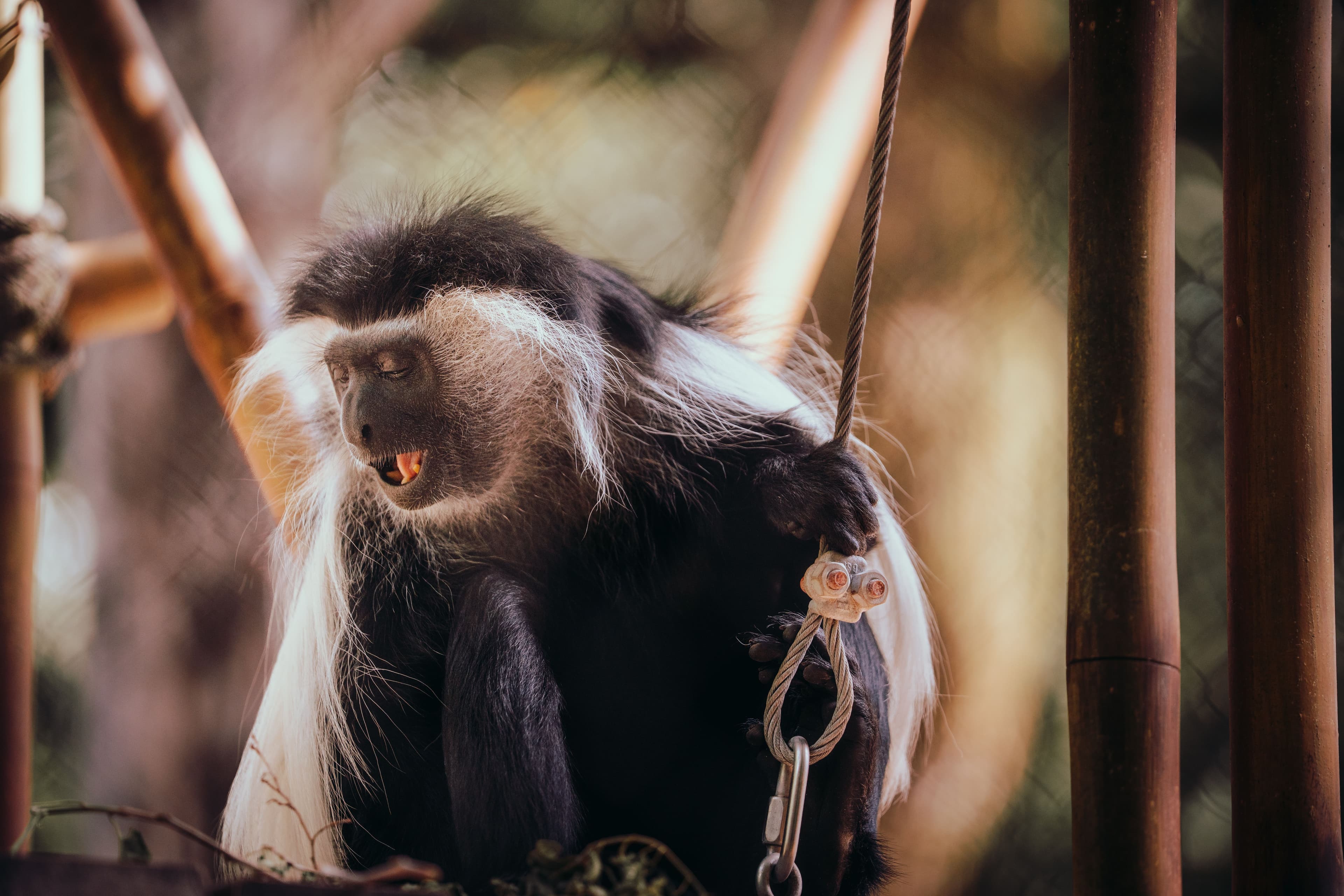
11. Colobus Monkey
Colobus monkeys dwell high in forest canopies and are easily recognized by their striking black-and-white coats and long, flowing tails that function like parachutes during 15-meter leaps.
Their name originates from the Greek word kolobos (meaning "mutilated") because they lack functional thumbs. Their multi-chambered stomachs allow them to ferment and digest tough, toxic leaves that other primates cannot eat.
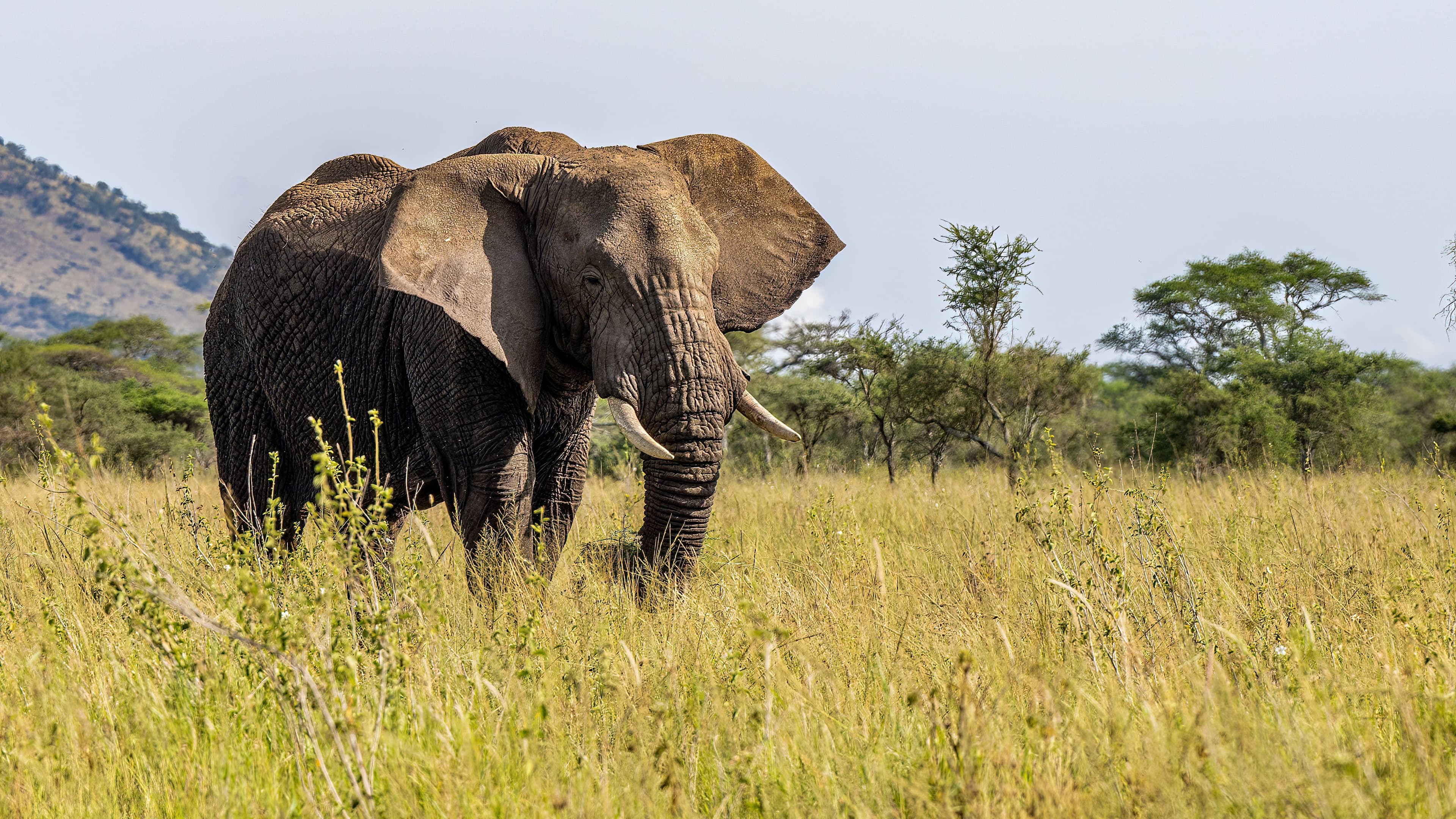
12. African Elephant
As the world's largest land mammal, African elephants are renowned for their high intelligence, complex emotional bonds, and social structures led by family matriarchs.
A groundbreaking 2024 study by researchers at Cornell University revealed that wild elephants address one another using individual "names" embedded within low-frequency acoustic rumbles transmitted over long distances.
Extraordinary Animals Around the Globe
| Animal Name | Primary Habitat | Unique Beauty Feature |
|---|---|---|
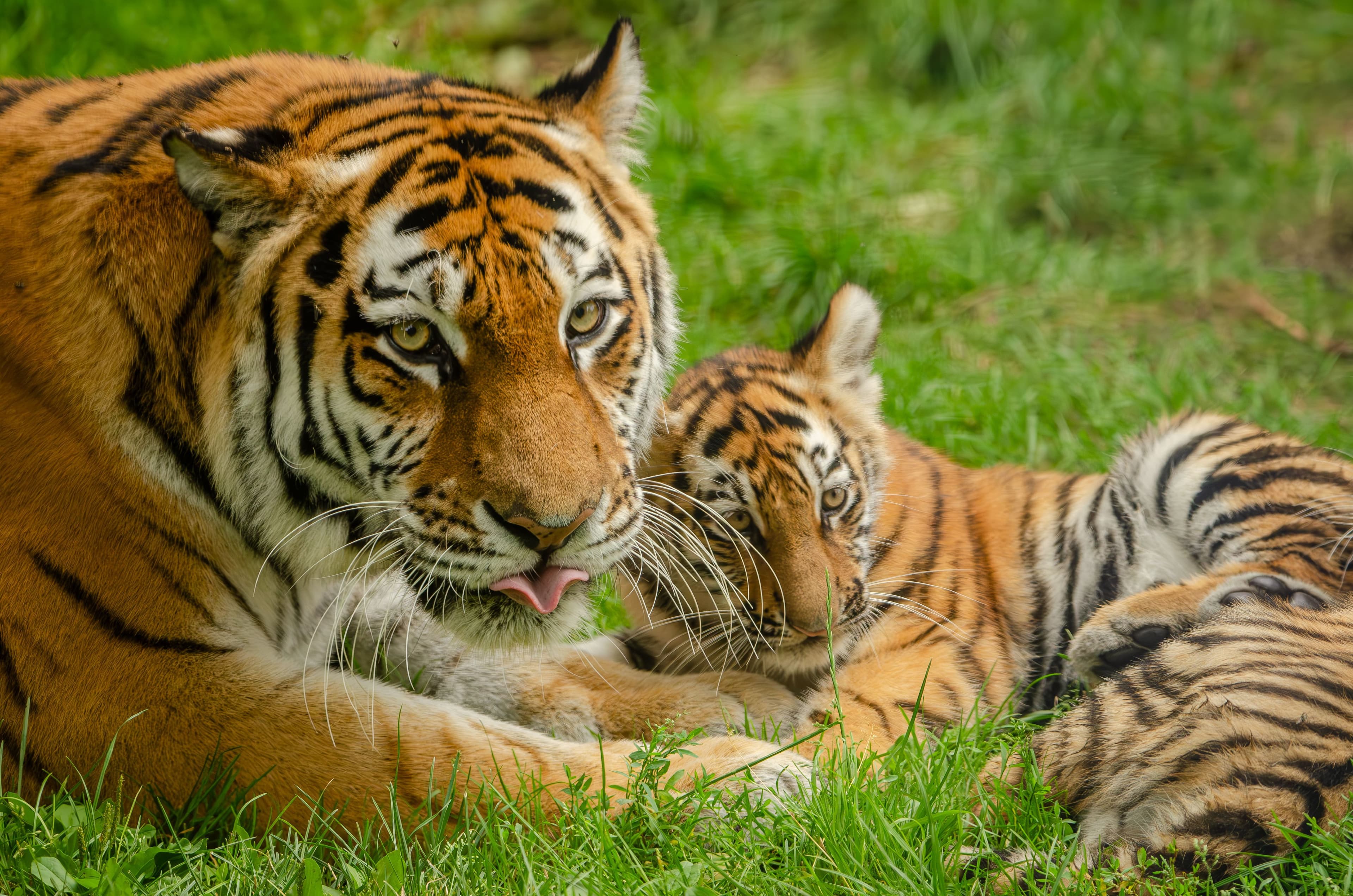
| Tiger | Asia | Striking striped coat patterns unique to each individual |
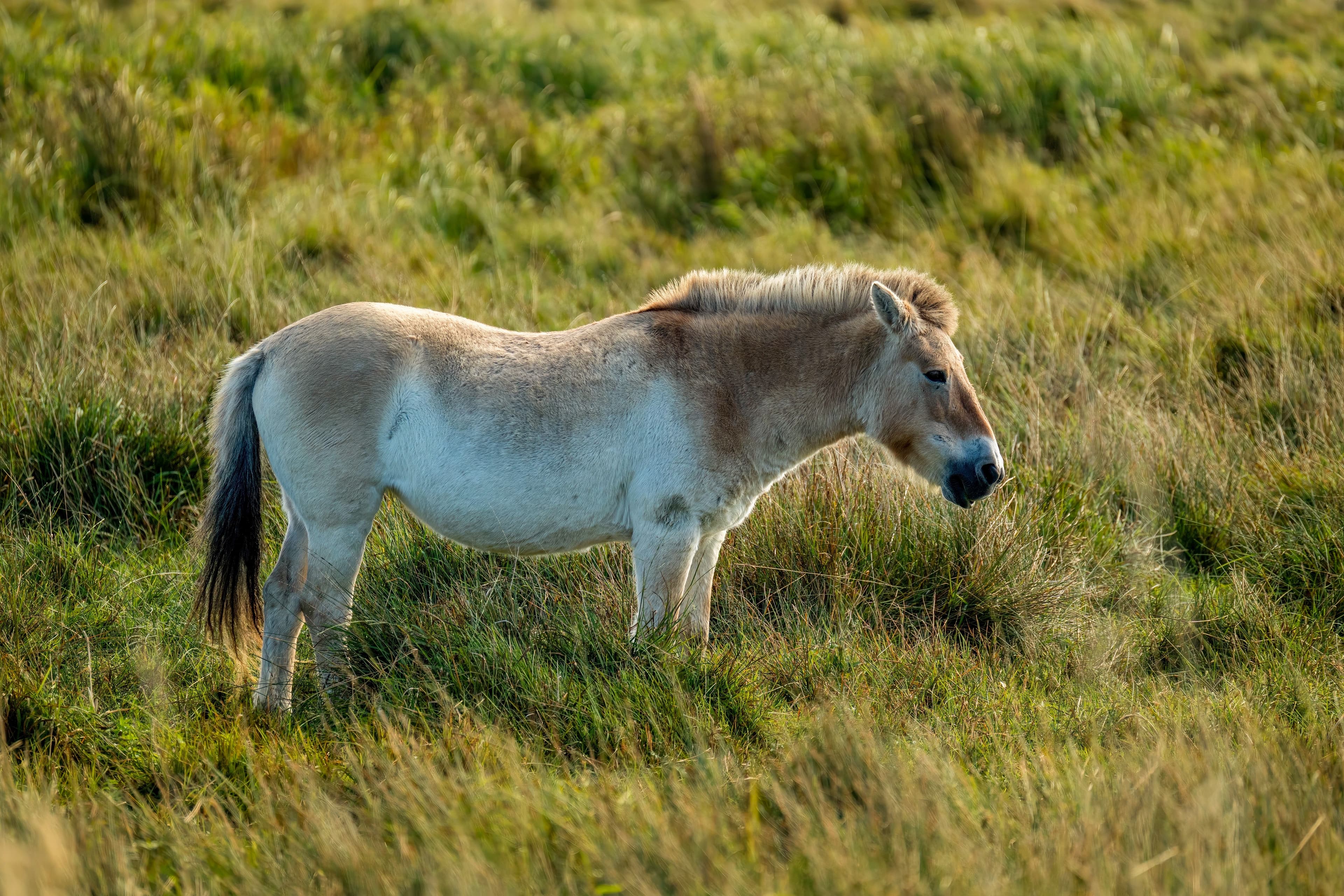
| Przewalski's Horse | Central Asian Steppes | Robust build, thick upright mane, and ancient genetic heritage |
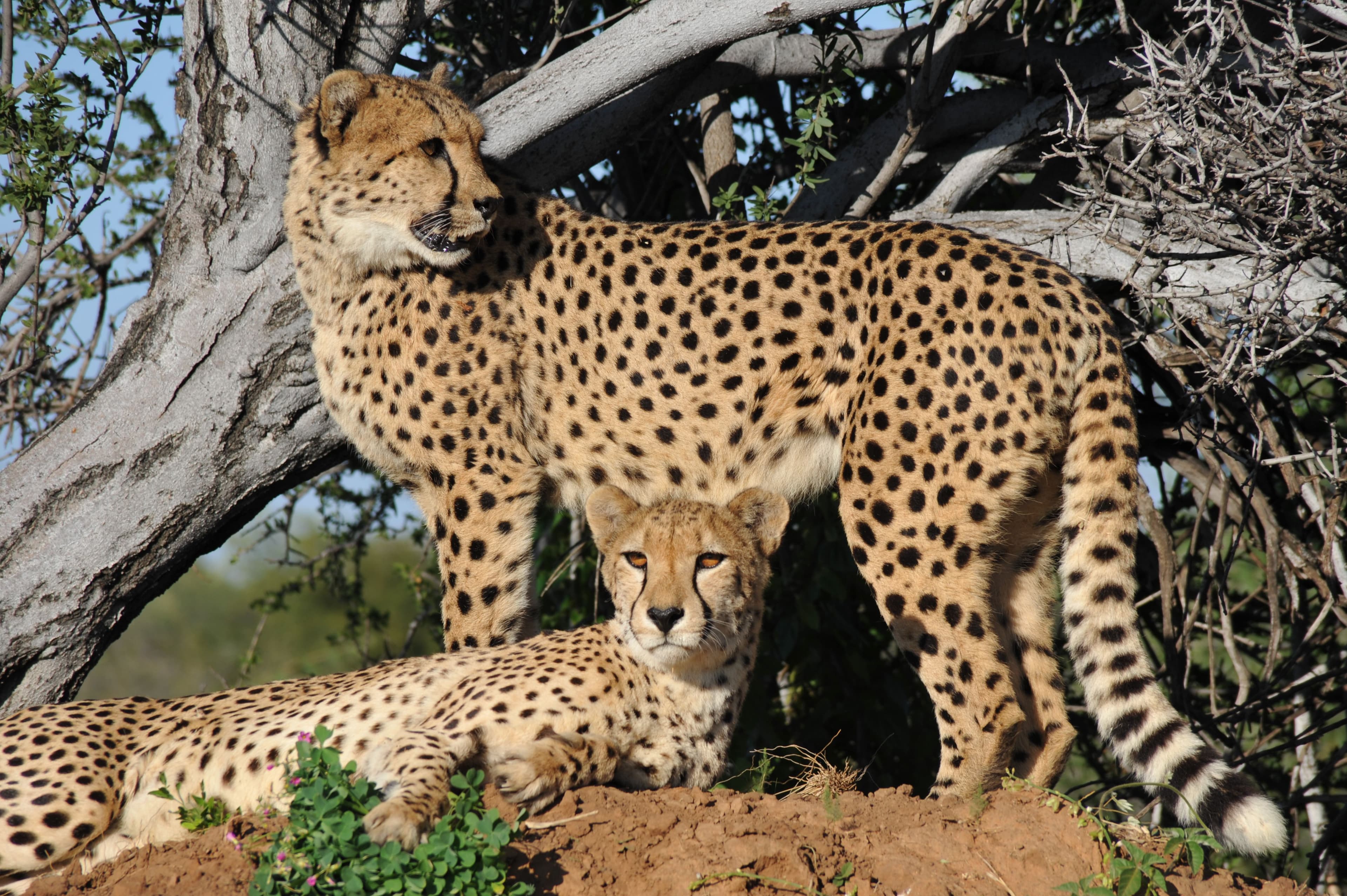
| Northeastern Cheetah | Arid African Savannahs | Streamlined physique, dark tear marks, and lightning speed up to 105 km/h |
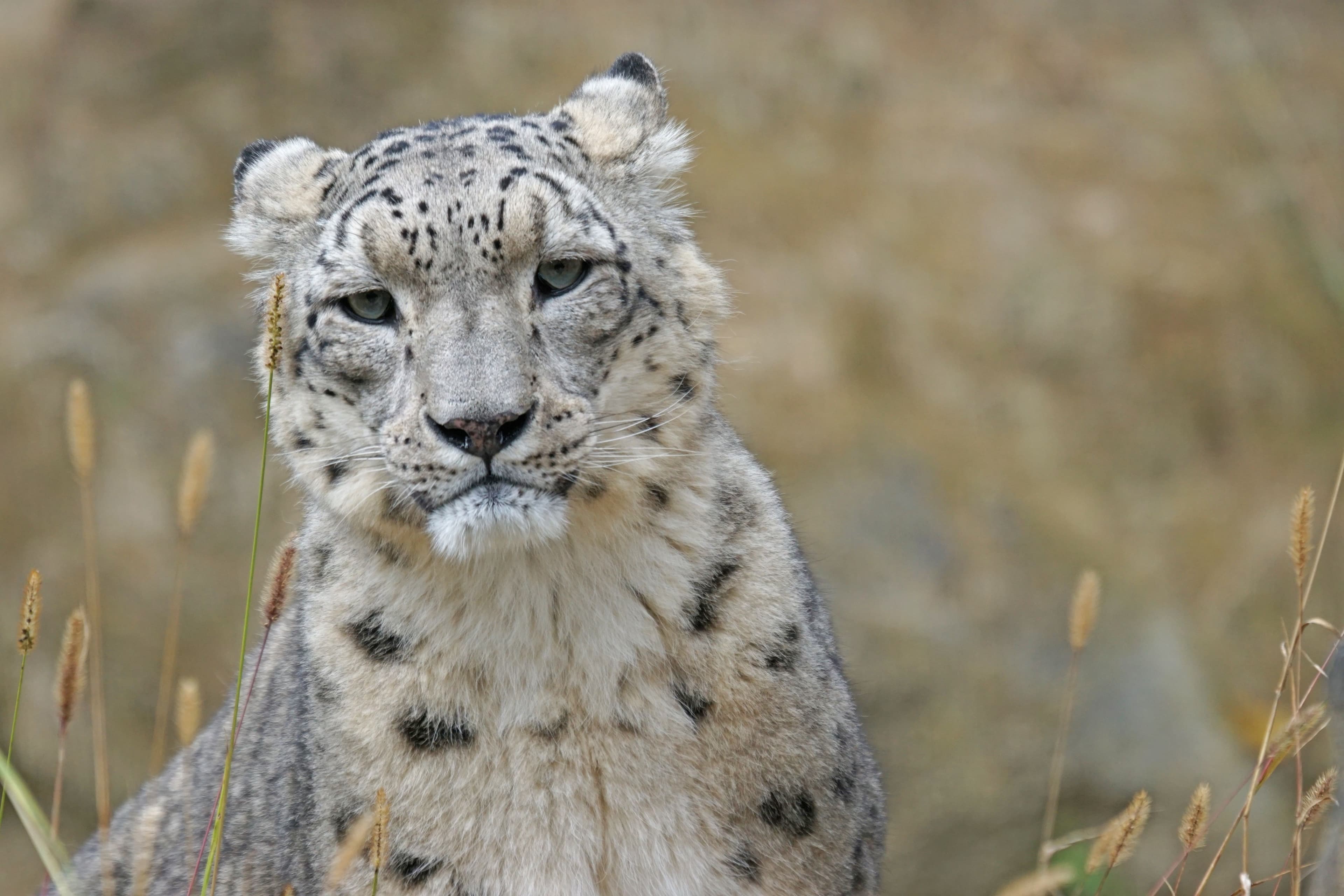
| Snow Leopard | Central Asian Mountains | Thick smoky-gray coat, wide furred paws, and a long bushy tail |
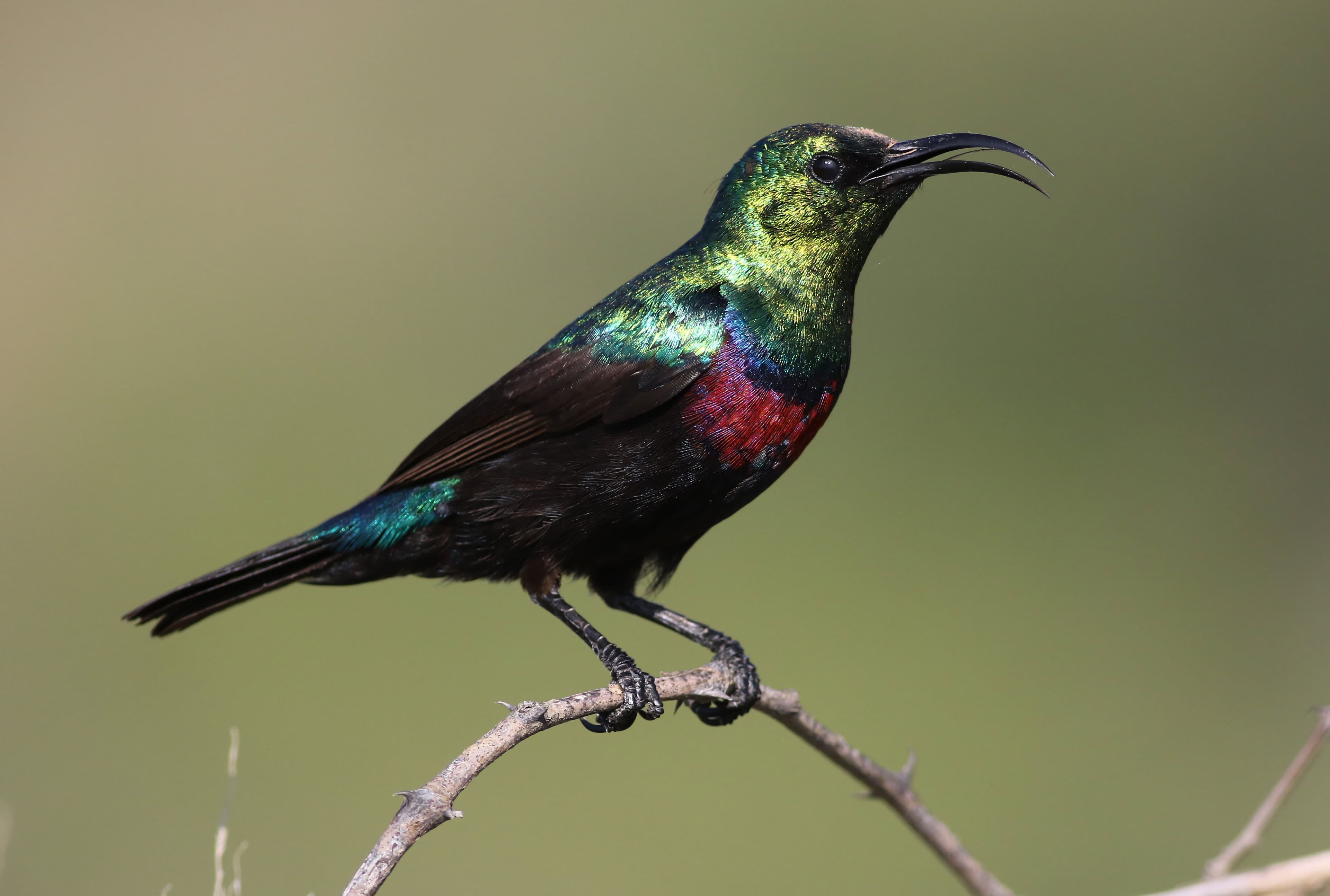
| Sunbird | Africa & Asia | Iridescent plumage and slender, curved nectar-feeding bills |
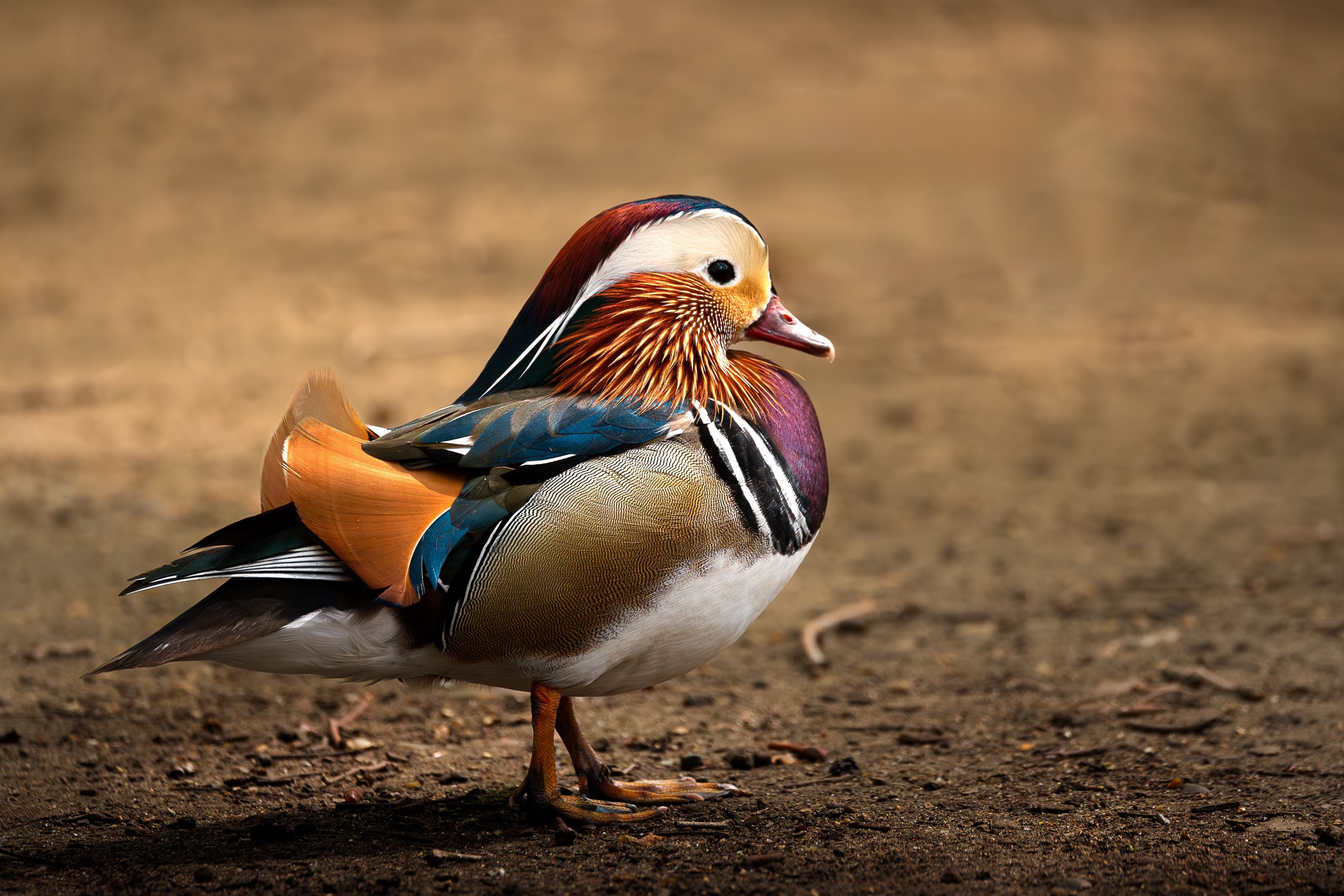
| Mandarin Duck | East Asia | Vibrant multi-colored orange, purple, and green feathers |
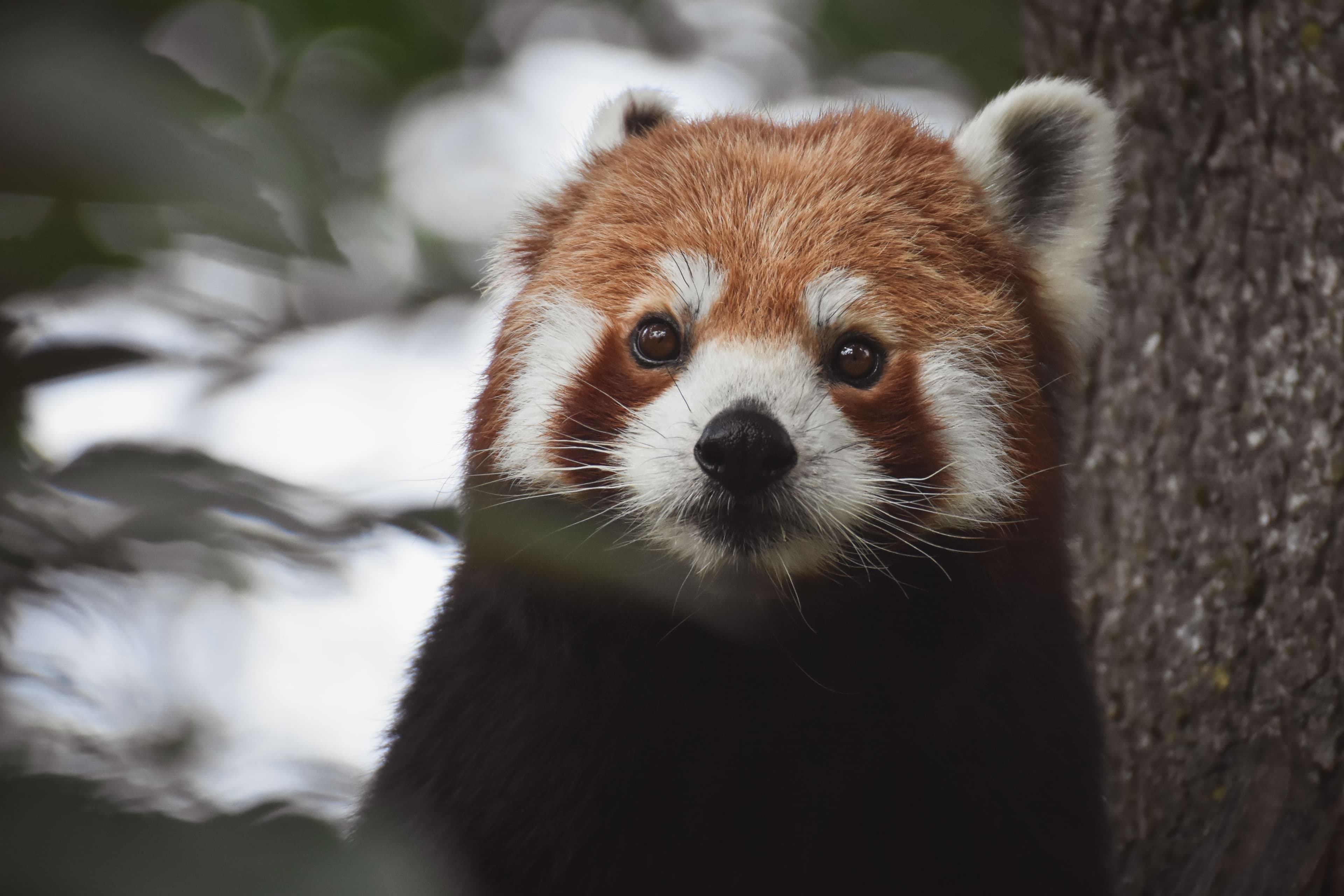
| Red Panda | Himalayan Forests | Rust-red fur, ringed tail, and charming facial markings |
13. Tiger
Tigers are the largest wild felines on Earth. Modern genetic research categorizes them into six distinct subspecies, including the Bengal and Amur tigers. These solitary, nocturnal hunters are capable of bringing down prey much larger than themselves, though all remaining subspecies face severe threats from human encroachment.
14. Przewalski's Horse
Long considered the last truly wild horse, Przewalski's horse inhabits the harsh climates of the Central Asian steppes. After nearly reaching total extinction in the 20th century, reintroduction efforts and cutting-edge genetic breakthroughs—such as the cloning of a foal named Kurt in 2020—have helped stabilize their population.
15. Northeastern African Cheetah
Specialized for daytime speed, this cheetah subspecies reaches short-burst hunting speeds of up to 105 km/h (65 mph). Their semi-retractable claws act like athletic cleats, while their long tails serve as a rudder to make sharp turns at high velocities.
16. Snow Leopard
Known as the "ghost of the mountains," the snow leopard inhabits high-altitude terrain across Central Asia. Their thick fur-covered paws act as natural snowshoes, and their massive tail wraps around their body for extra warmth during freezing conditions.
17. Sunbird
Brightly colored and energetic, sunbirds are small songbirds that feed on flower nectar using curved bills. To survive freezing nights at high altitudes, some sunbird species enter a state of nocturnal torpor to lower their metabolism and save energy.
18. Mandarin Duck
Famed for its bright orange "sails" and colorful head crests, the mandarin duck nests in tree cavities near quiet forest ponds. In 2018, a single male mandarin duck captivated international headlines after unexpectedly appearing in New York’s Central Park.
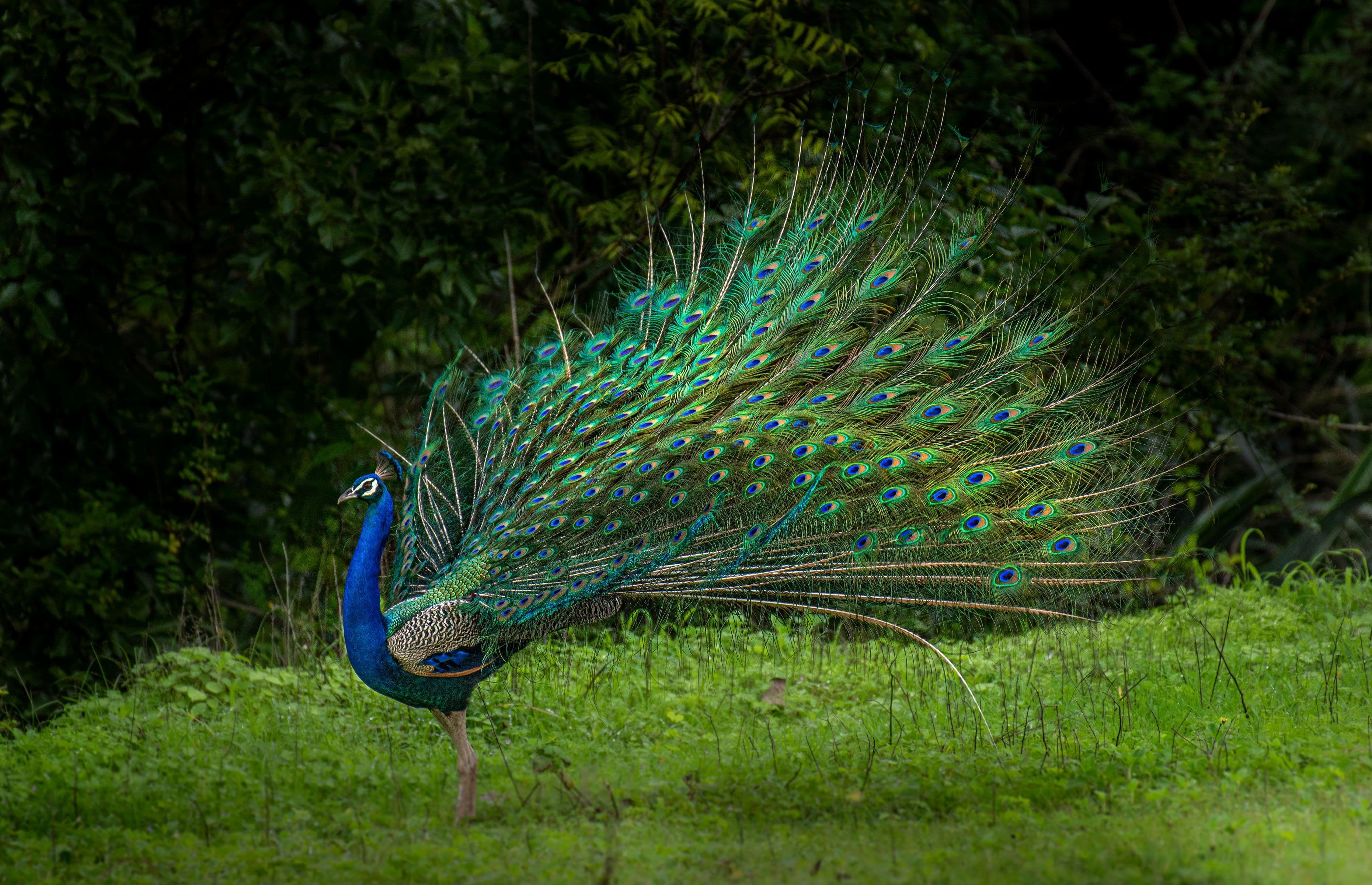
19. Indian Peafowl
Famous for elaborate courtship displays, male peacocks fan out tail feathers marked with eye-spots. During displays, peacocks vibrate their feathers up to 25 times per second—a frequency matching the natural acoustic resonance of guitar strings.
20. Red Panda
Inhabiting high-altitude Himalayan forests, the red panda is a tree-dwelling mammal with soft reddish fur and a ringed tail. Red pandas spend roughly 55% of their day sleeping to conserve energy on a low-nutrient bamboo diet.
Experience the Magic of Wildlife with Afrishare Trekking and Safaris
Reading about the world's most beautiful animals is inspiring, but nothing compares to seeing them roam free in the wild.
Tanzania is home to iconic wildlife destinations, including:
- Serengeti National Park: Witness the Great Migration and spot big cats on the prowl.
- Ngorongoro Crater: Explore a natural volcanic amphitheater teeming with lions, rhinos, and elephants.
- Tarangire National Park: Walk among giant baobabs and massive elephant herds.
- Lake Natron: Marvel at thousands of pink lesser flamingos gathered across alkaline waters.
At Afrishare Trekking and Safaris, our expert local guides curate unforgettable, personalized safari itineraries and Kilimanjaro climbs tailored to your dream adventure.
Ready to embark on the journey of a lifetime? Contact Afrishare Trekking and Safaris today to start planning your custom Tanzanian wildlife safari!