
Lions of Serengeti National Park
December 1, 2023

Jamal
Take a deeper look at Serengeti National Park and discover its 3,500 lions, its variety of safari packages and prices, as well as tips for how to make your experience even more incredible.
Welcome to the Serengeti National Park, one of Africa's premier wildlife reserves and an unforgettable experience for those seeking a unique African safari. Here, visitors can witness the awe-inspiring sights of one of the world’s most remarkable natural wonders: the annual migration of millions of wildebeest across the plains of Tanzania. But that's not all this park has to offer. Take a deeper look at Serengeti National Park and discover its 3,500 lions, its variety of safari packages and prices, as well as tips for how to make your experience even more incredible. When you're ready for your own Safari adventure, don't forget to book with us - See More!
Overview of the Serengeti National Park
The Serengeti National Park is one of the oldest and largest wildlife reserves in Africa, located in the northern region of Tanzania. This park is home to a vast array of unique wildlife species, including more than 3,500 lions. It's no wonder that the park is most famous for its majestic lion population.
The Serengeti National Park also boasts an incredible annual migration, as millions of wildebeest and zebra traverse the plains in search of fresh grazing grounds. This awe-inspiring spectacle is something that will stay with you forever.
Aside from witnessing this incredible show of nature, visitors to the Serengeti can partake in a range of activities designed to make their experience even more special. From guided safaris to game drives and hot air balloon rides, there are plenty of ways for you to get up close and personal with some stunning African wildlife.
No trip to Africa would be complete without a visit to the Serengeti National Park, so why not book a tour with us today? See more for details on our packages and prices!
Where is the Serengeti National Park located?
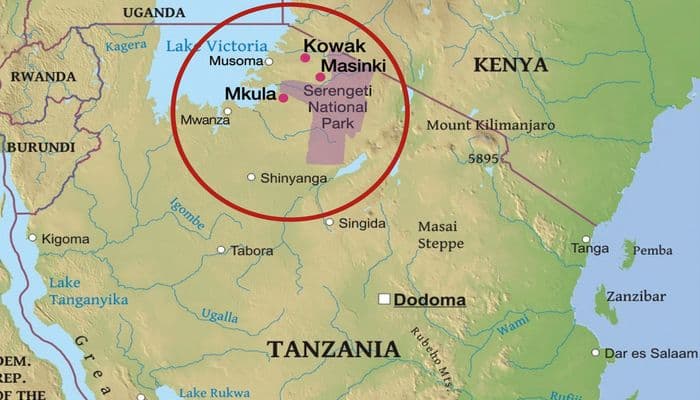
The Serengeti National Park is one of the most renowned wildlife sanctuaries in the world, located in Tanzania near the Kenyan border. Covering an area of 12,950 square miles, this park is home to the Masai people as well as a wide variety of African wildlife, including lions, cheetahs, elephants, giraffes, zebras, and wildebeests. Every year, millions of wildebeests and other animals make their way across the plains on their annual migration.
The Serengeti National Park is divided into three regions: the southern Serengeti Plains, which are dominated by vast grasslands; the northern Serengeti Plains and hills; and the western corridor. This region is home to a wide variety of habitats, like savannahs with scattered acacia trees and swamps that provide refuge for hippos and crocodiles.
Visitors can explore these magnificent landscapes in a number of ways. Safari packages are available for those looking for a more immersive experience with game drives that take you through all three regions. Hot air balloon rides are also offered for those looking to get a bird's eye view of this incredible landscape from above. There are also several lodges throughout the park offering comfortable accommodation options right inside its borders.
The Serengeti National Park offers an experience unlike any other in Africa - its sweeping grasslands are teeming with life and its biodiversity makes it one of Tanzania's most important national parks. For anyone looking to witness nature at its very best - from watching lions hunt to witnessing millions upon millions of wildebeest migrate across its plains - there really is no better place than here in this remarkable park.
An in-depth look at lions in the Serengeti National Park
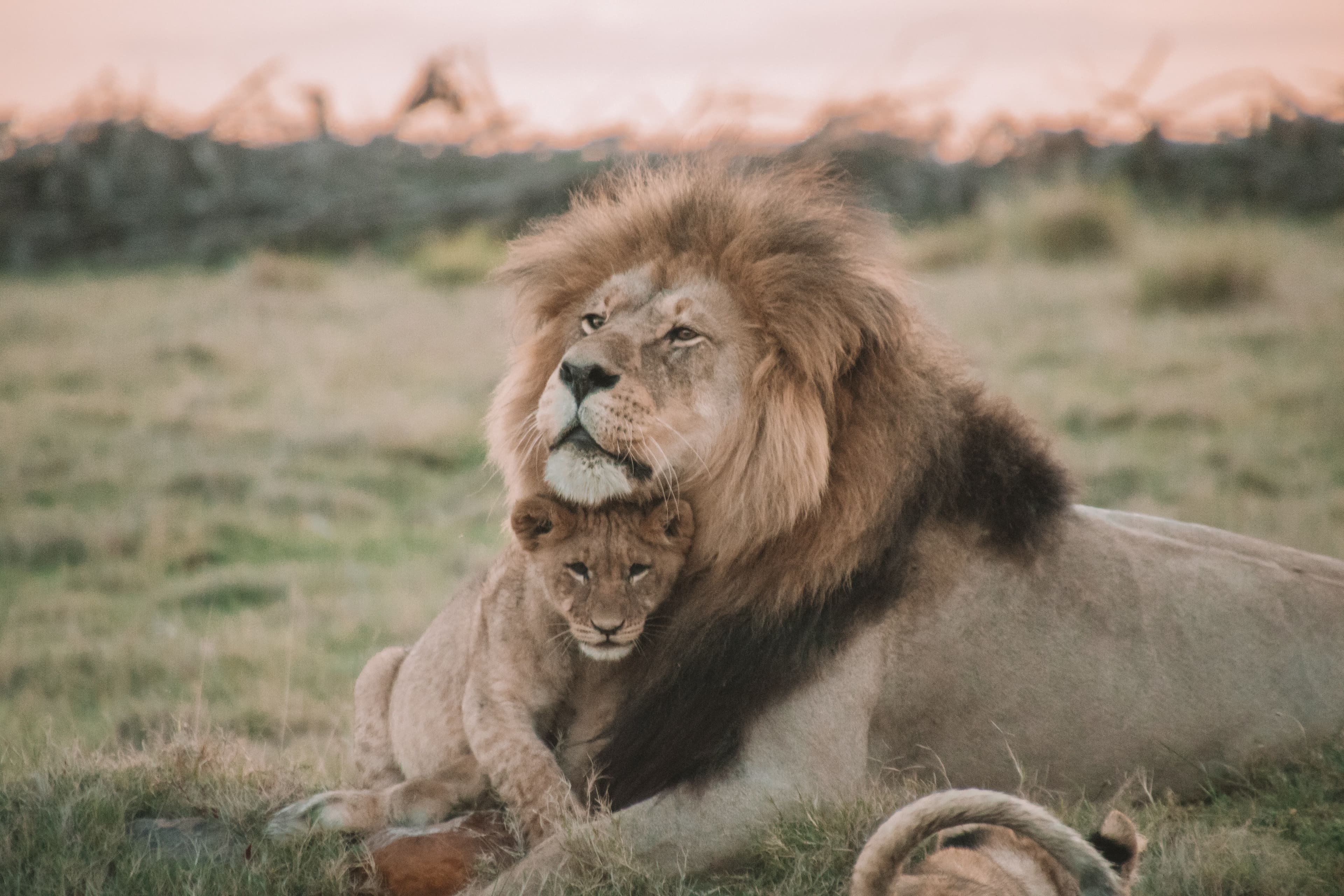
The Serengeti National Park is home to an estimated 3,000 lions, one of the largest populations in Africa. Lions are apex predators and form complex social structures, often living in prides of up to 10-15 members. These prides are comprised of related females, their cubs, and one or two males who have taken over leadership of the pride by successfully competing with rivals.
The Lion Life Cycle in the Serengeti
Lions in the Serengeti go through a fascinating series of life stages, each marked by unique behaviors and challenges that shape the journey from tiny, vulnerable cub to commanding adult predator.
Cubs: A Hidden Beginning
Lion cubs are born in litters—usually between two and four at a time—completely blind and helpless. For the first few weeks, their mother keeps them concealed in a secluded den, away from prying eyes and prowling predators like hyenas or leopards. During this critical period, the cubs rely entirely on their mother for warmth and nourishment. For visitors lucky enough to glimpse a lioness carefully relocating her cubs, it's a memorable window into their early family life.
Curious Childhood & High Risks
As the cubs grow stronger and their eyes open to the world, it's not long before their natural curiosity takes over. They begin to venture out, tentatively exploring their surroundings and learning from their mother and pride members. Playful stalking and mock hunts start now, as cubs gradually acquire the skills they need to survive. Still, the path to adulthood is fraught with perils—disease, hunger, and natural enemies mean not every cub makes it through this stage.
Teenage Nomads: The Challenge of Leaving Home
By about two years of age, young male lions face a turning point—it's time to leave their birth pride. These adolescent males strike out on their own, sometimes traveling vast distances across the savannah in search of unclaimed territory and the chance to establish their own pride one day. Along the way, they may join up with other males, often forming coalitions with brothers or unrelated nomads. These partnerships boost their odds of survival, making it easier to hunt and defend themselves against older, established lions.
Adulthood: Masters of the Plains
A male lion's journey culminates when he manages to claim a territory and attract females—no easy feat amid fierce competition. The pride's males are tasked with safeguarding their family from intruders, while the lionesses work together to stalk and capture prey. For both males and females, cooperative living is key: teamwork helps defend young cubs and bring down towering prey like buffalo or zebra.
Throughout each stage, the Serengeti’s lions must adapt and cooperate to thrive in this ever-changing landscape—remarkable evidence of why these big cats reign supreme as icons of the African wild.
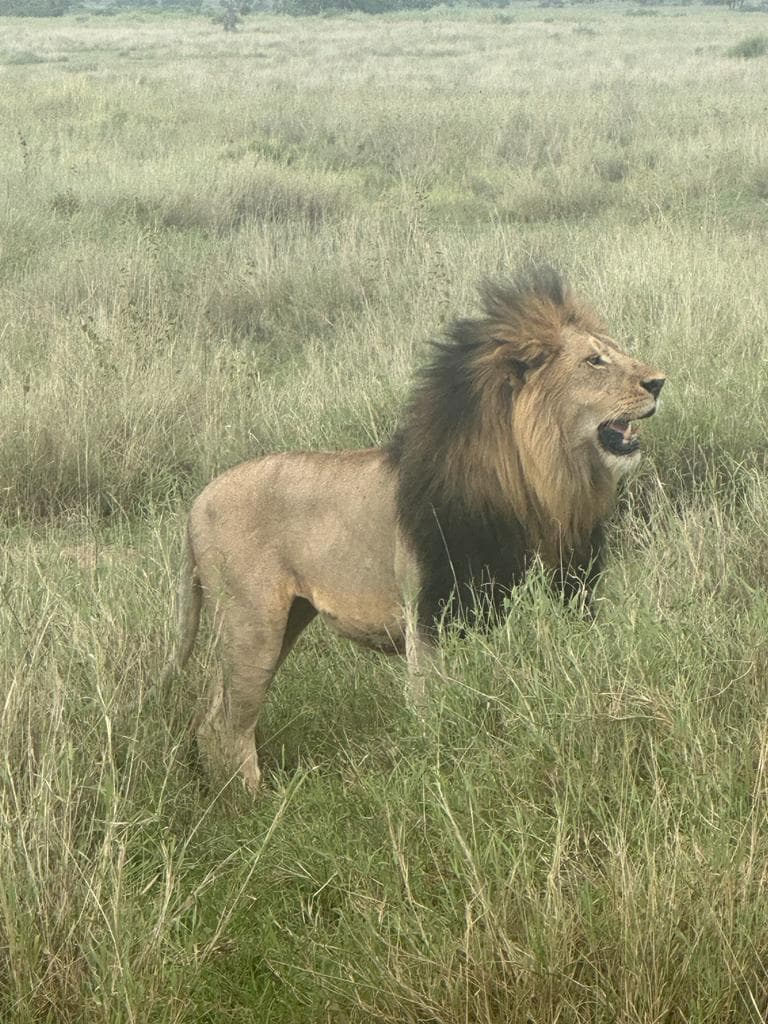
Lions are well adapted to survive in the harsh environment of the Serengeti. They feed on a variety of prey species, such as wildebeest, impala and zebra. Male lions have a unique mane, which serves as a symbol of strength and helps attract female partners as well as intimidating rivals from other prides.
How Adult Male Lions Establish and Defend Their Territory:
Adult male lions play a crucial role in both establishing and safeguarding their territory within the Serengeti. Once a male lion gains control of a particular area, he will typically attract several females to form a pride. The females handle most of the hunting and care for the cubs, while the males focus on protecting the group from outside threats.
Male lions utilize an impressive array of strategies to secure their domain. They often team up to form coalitions with other males—sometimes brothers or close companions—which significantly boosts their chances in confrontations with rival males. These coalitions are powerful forces, capable of challenging resident males and, if successful, taking over a pride by claiming both the territory and the lionesses.
Territory defenses are marked by thunderous roars that echo across the plains—both a warning and a declaration of presence—and by patrolling and scent-marking the boundaries. When a rival approaches, these confrontations can lead to intense battles, as newcomers attempt to assert dominance.
In recent years, for example, some coalitions in the Serengeti, such as those observed near renowned lodges like Four Seasons Safari Lodge, have been noted for their size and strength—sometimes uniting as many as six or seven males. Their coordinated efforts allow them to overpower resident males and claim new expanses of grassy plains for themselves, ensuring their place at the top of the food chain.
Lions are well adapted to survive in the harsh environment of the Serengeti. They feed on a variety of prey species, such as wildebeest, impala and zebra. Male lions have a unique mane, which serves as a symbol of strength and helps attract female partners as well as intimidating rivals from other prides.
The Serengeti is renowned for its abundance of lion sightings due to its wide-open plains which provide excellent visibility for game drives or safaris. Visitors can experience these majestic animals for themselves when visiting the park and marvel at their sheer power and beauty.
The Serengeti is renowned for its abundance of lion sightings due to its wide-open plains which provide excellent visibility for game drives or safaris. Visitors can experience these majestic animals for themselves when visiting the park and marvel at their sheer power and beauty.
Visitors should also be aware that although lion sightings can be common on safaris, they do need to take certain safety precautions while in the park, such as driving cautiously around herds of wildebeests or zebras since lions may be nearby hunting their prey. Lion sightings can also depend on luck since they tend to sleep much during daylight hours, so visitors should plan accordingly in order to get the best experience possible!
The Role of Lions in the Serengeti Ecosystem
Lions are more than just an iconic sight on the Serengeti plains—they are key players in maintaining the park's delicate balance. As apex predators, lions help regulate populations of large herbivores such as wildebeest, zebra, and buffalo. By controlling these numbers, lions prevent overgrazing and allow the grasslands and other habitats to thrive.
Their hunting activities also have a ripple effect throughout the ecosystem. Leftover prey from lion kills provides food for scavengers like hyenas and vultures, supporting an entire community of wildlife. In this way, lions indirectly sustain biodiversity, ensuring that even the smallest creatures have a part to play in this intricate web of life.
Their presence is a testament to the health and vibrancy of the Serengeti, making every encounter on safari not just thrilling, but a glimpse into the vital workings of one of Africa’s most remarkable natural environments.
Serengeti National Park safari packages and prices
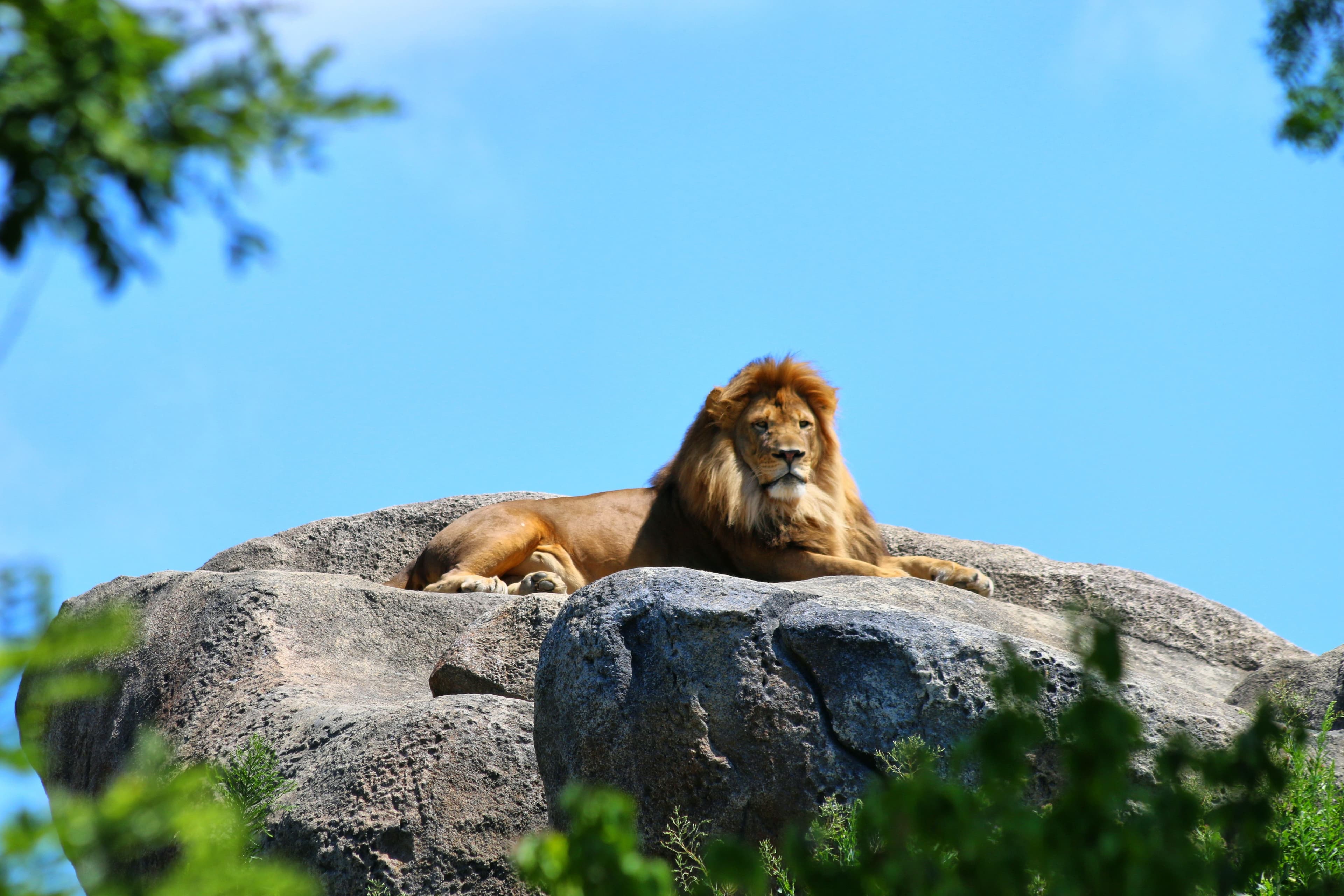
For those looking to experience the wonders of the Serengeti National Park, there are a variety of safari packages and prices available. Visitors can compare budget and luxury options to find the perfect fit for their trip, from half-day to multi-day itineraries. Safari packages often include accommodations, meals, transportation, and activities such as game drives or hot air balloon rides. Group bookings can take advantage of discounts, while seasonal variations will influence safari prices.
Experienced safari guides are also available to provide personalized recommendations for visitors. They’ll plan out the most cost-effective and enjoyable routes that take into account all your wishes and needs for your time in the park. Whether you’re looking for a romantic getaway or a family adventure in the great outdoors, these experienced guides will help you make the most out of your stay in Tanzania’s Serengeti National Park.
Guides can also offer advice on safety precautions when viewing lions and other wildlife up close – just remember that they are wild animals so always keep a safe distance away from them! They can also provide tips on times of day that have better visibility for spotting lions in their natural habitat, as well as any special events happening during your visit that could enhance your overall experience.
The Serengeti National Park is one of Africa's most iconic destinations – its breathtaking beauty combined with its rich wildlife heritage make it a truly unforgettable experience like no other. With an array of safari packages and prices on offer, visitors can find an option best suited to their budget and preferences that still allows them to create memories they'll cherish for years to come.
Tips for completely enjoying your Serengeti adventure
Exploring the awe-inspiring Serengeti National Park is an amazing opportunity that no one should miss. To make sure you get the most out of your adventure, here are a few suggestions to keep in mind.
Firstly, timing is essential when it comes to spotting the park's lions. The best chance of seeing these majestic animals is during dusk and dawn, as they're usually on the hunt for food at this time. Additionally, since other species such as wildebeests and zebras migrate seasonally, their movements can influence where lions can be spotted - so pay attention to any migrations!
Secondly, a guided safari tour could prove invaluable in providing insights into wildlife and its surroundings. An experienced guide will offer plenty of information about what you're observing and answer any questions you may have. Plus, if there are any safety concerns or potential risks while out in the bush, having a knowledgeable guide with you will give you extra peace of mind.
For visitors looking for longer stays than just day trips, there are several campsites located inside the park which provide various accommodation options ranging from rustic sites with basic facilities to luxurious lodges with air conditioning and hot showers. Don't forget to bring bug spray and sunscreen before heading off on your camping trip!
Last but not least - remember to bring photographic equipment like cameras or binoculars so that you don't miss out on capturing nature's beauty! With these tips in mind, you'll undoubtedly have an unforgettable experience in Tanzania's renowned Serengeti National Park.