
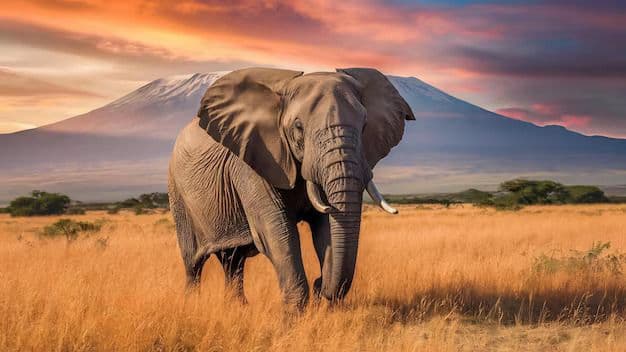
10 Best National Parks in Africa for Wildlife Safaris in 2025
April 12, 2025

Afrishare Trekking & Safaris
Explore Africa’s top 10 national parks, from Tanzania’s Serengeti to Rwanda’s Volcanoes. Witness the Big Five, gorillas, and epic landscapes in these iconic safari destinations.
10 Best National Parks in Africa: Unleash Your Wild Side
Africa’s national parks are legendary, offering unrivaled wildlife encounters, dramatic landscapes, and bucket-list adventures. Whether you’re chasing the Great Migration, trekking mountain gorillas, or spotting lions on the savanna, the best national parks in Africa deliver life-changing experiences. Here are the top 10 parks you need to explore:
How the Top Parks Were Chosen
Curious about how these parks earned their place on the list? Each year, thousands of safari-goers and wildlife experts from around the globe weigh in with their experiences. For our latest selection, nearly 2,400 detailed reviews were analyzed—every sighting, thrilling game drive, and campfire story counted.
Through this meticulous collection of opinions, recurring favorites naturally emerged. The Serengeti, for instance, consistently dazzled travelers with its legendary migrations and classic safari vistas, securing its place at the top yet again. This rigorous approach ensures only the most outstanding parks—those truly delivering on wild adventures and unforgettable encounters—make the final cut.
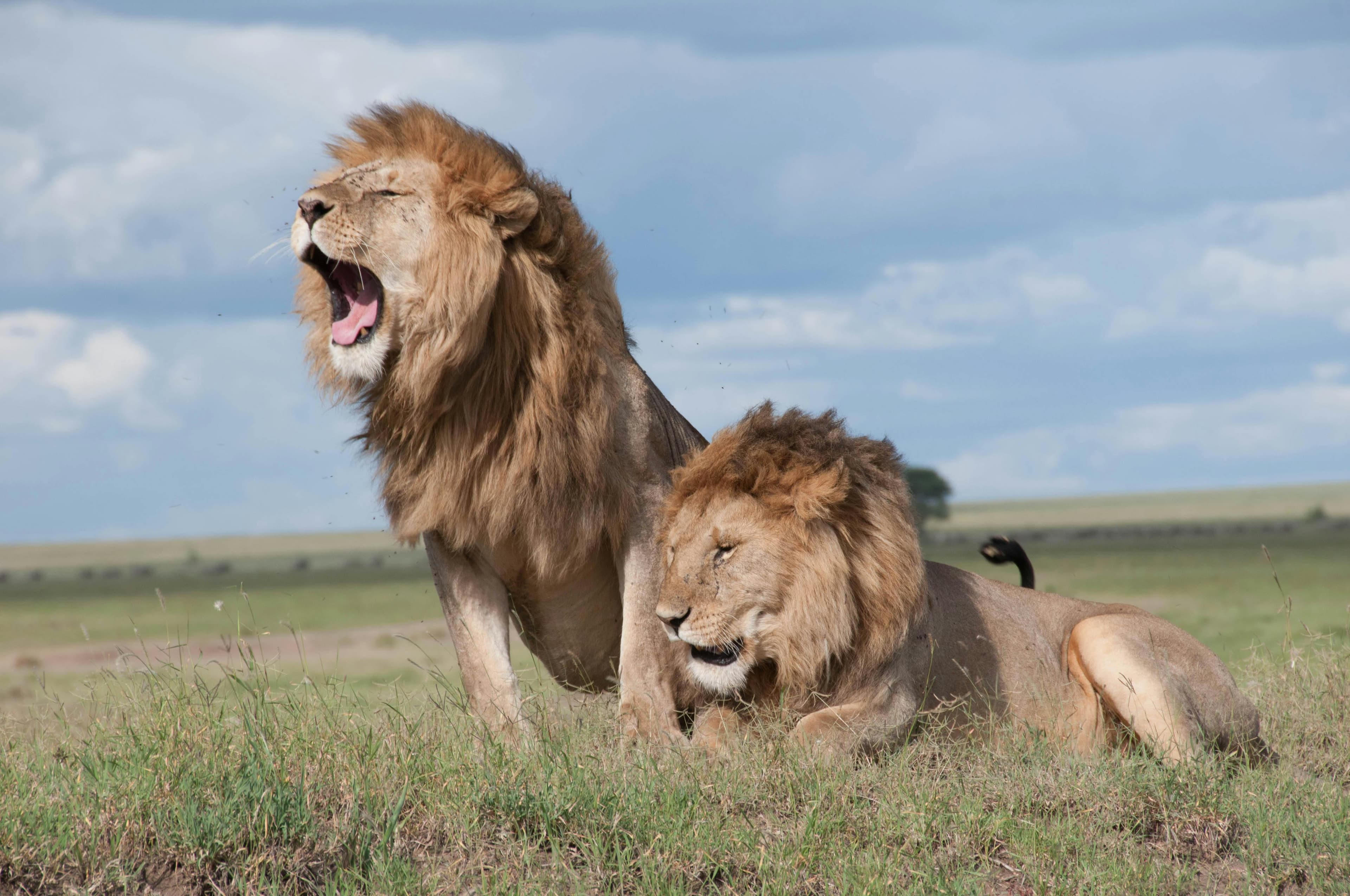
Top 10 National Parks in Africa You Can’t Miss
- Serengeti National Park, Tanzania
Home to the iconic Great Migration, where millions of wildebeest and zebras thunder across the plains. A prime spot for Big Five sightings and endless golden savannas. - Maasai Mara National Reserve, Kenya
Kenya’s crown jewel, famous for its lion prides, Maasai culture, and the Mara River’s dramatic crocodile-infested crossings during migration season. - Kruger National Park, South Africa
Africa’s most accessible safari destination, boasting dense wildlife populations, luxury lodges, and self-drive adventures for all budgets. - Chobe National Park, Botswana
Renowned for the world’s largest elephant herds and breathtaking river safaris along the Chobe River. - Bwindi Impenetrable National Park, Uganda
A UNESCO World Heritage Site and sanctuary for endangered mountain gorillas. Trek through misty forests for a once-in-a-lifetime primate encounter. - Etosha National Park, Namibia
A surreal landscape of salt pans and waterholes teeming with wildlife, including rhinos, lions, and rare desert-adapted elephants. - Volcanoes National Park, Rwanda
The ultimate destination for gorilla trekking, set against the backdrop of Rwanda’s lush volcanic highlands. - Okavango Delta, Botswana
A UNESCO-listed oasis where seasonal floods create a labyrinth of waterways. Explore by mokoro (canoe) to see hippos, crocodiles, and birdlife. - Virunga National Park, Democratic Republic of Congo
Africa’s oldest national park, home to active volcanoes, rare mountain gorillas, and adrenaline-pumping hikes to see lava lakes. - South Luangwa National Park, Zambia
Dubbed the “Valley of Leopards,” this park offers exceptional walking safaris and uncrowded wildlife viewing in raw, untamed wilderness.
Which Park Reigns Supreme Among Safari-Goers?
If you’re chasing the best-of-the-best, look no further than Tanzania’s legendary Serengeti National Park. This iconic reserve has consistently outranked nearly 200 other parks across East and Southern Africa, taking top honors among both seasoned experts and first-time safari travelers alike.
With rave reviews from guides and globetrotters—including contributors for Lonely Planet, Rough Guides, and Frommer’s—Serengeti stands as Africa’s undisputed champion. Whether you’re drawn by the heart-racing drama of the Great Migration or the chance to spot the Big Five, it’s earned its reputation for providing the quintessential African wilderness experience. No wonder it’s been crowned the continent’s number one safari destination for several years running.
Why These Parks Stand Out
The best national parks in Africa combine biodiversity, conservation success, and unforgettable safari thrills. From the Serengeti’s endless horizons to Virunga’s volcanic peaks, each park offers a unique slice of Africa’s wild soul
How Africa’s Top Safari Parks Stack Up
While each park shines for its unique experiences, there’s a close race at the top when it comes to visitor ratings. Serengeti National Park in Tanzania takes the lead, earning near-universal acclaim for its classic game drives and the spectacular wildebeest migration—a tough act to follow. Not far behind, parks like Sabi Sand in South Africa and Zambia’s South Luangwa consistently delight safari-goers with impressive Big Five sightings and immersive walking safaris.
If you’re eyeing a true wilderness adventure, Ruaha and Katavi in Tanzania stand out for their off-the-beaten-track appeal and healthy wildlife populations. The Okavango Delta and Moremi Game Reserve in Botswana score high marks as well, thanks to their scenic wetlands and the thrill of exploring by canoe.
Chobe National Park, also in Botswana, is a heavyweight for its unrivaled elephant herds and river cruises. Meanwhile, Kenya’s Maasai Mara remains a visitor favorite for dramatic Big Cat action and the legendary migration crossings. Ngorongoro Crater in Tanzania dazzles with its all-in-one wildlife spectacle, and nowhere else can you see rhinos, lions, and elephants packed into a UNESCO-listed caldera.
Overall, the ratings between these top contenders are impressively close, with only a fraction separating the leaders from the rest. Whether you crave crowd-pleasing classics or secluded safari escapes, the upper tier of Africa’s national parks promises exceptional wildlife—and memories built to last.
1. Serengeti National Park, Tanzania
- Highlight: The Great Migration
- Best Time to Visit: June to October
Serengeti National Park’s Winning Streak
How often does Serengeti National Park steal the show? It’s been crowned Africa’s top safari destination for an impressive five consecutive years. Time after time, safari-goers and wildlife lovers put the Serengeti in the number-one spot, thanks to its spectacular wildlife, legendary Great Migration, and unforgettable African vistas. Few places earn such consistent praise, making Serengeti the gold standard for safari adventures across the continent.
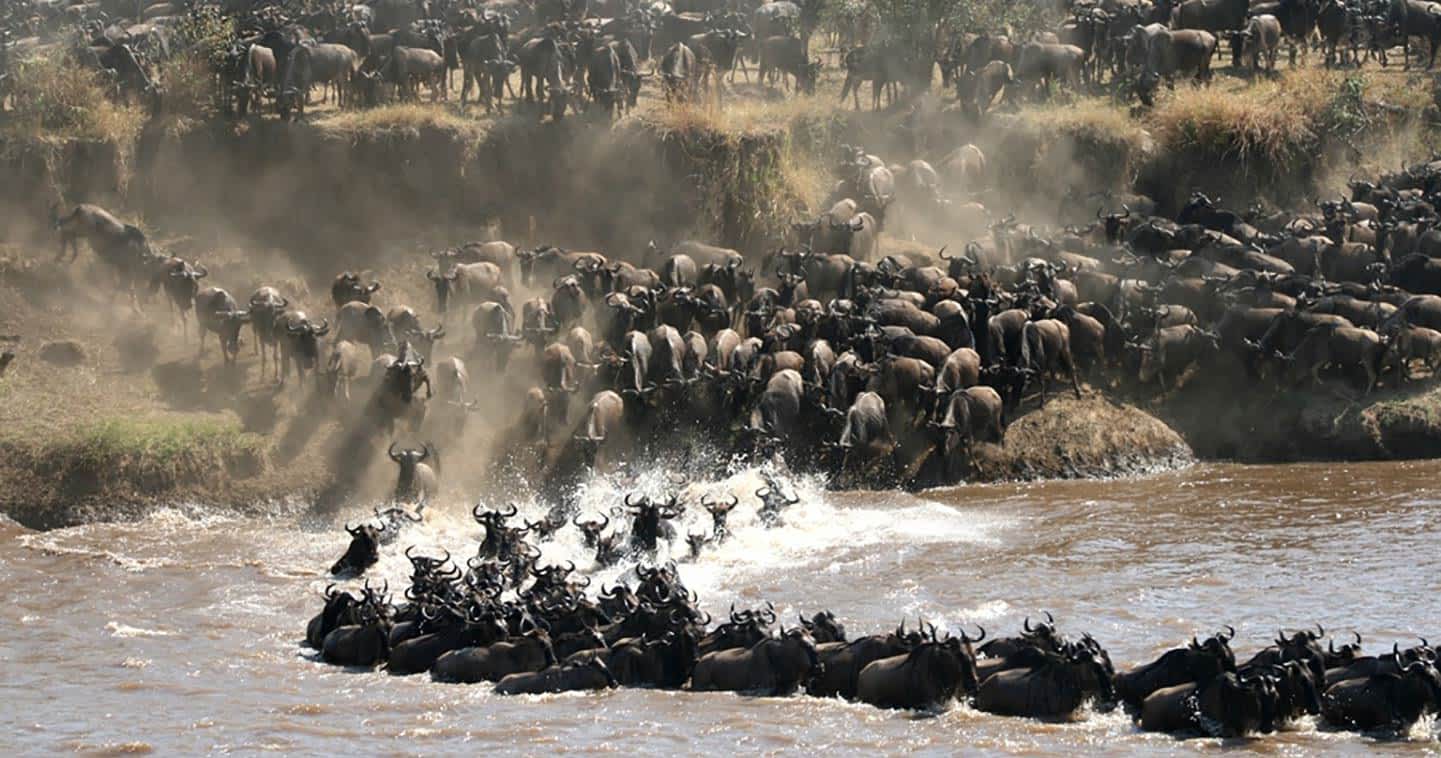
Serengeti National Park is one of the most famous wildlife reserves in the world, renowned for the annual Great Migration. This incredible event sees over a million wildebeest, zebras, and gazelles traversing the plains in search of fresh grazing. The vast grasslands of the Serengeti are also home to a high density of predators, including lions, leopards, and cheetahs. The park offers stunning landscapes, from endless plains to acacia woodlands, making it a must-visit destination for any wildlife enthusiast.
But beyond its reputation, the Serengeti continues to earn top marks from both travelers and safari experts year after year. Regular contributors to global travel guides like Lonely Planet, Rough Guides, Frommer’s, Bradt Guides, and Footprint Travel Guides consistently rank it among Africa’s best safari destinations. It’s easy to see why: the Serengeti appeals to first-time safari-goers and seasoned adventurers alike, with its seemingly infinite savannahs dotted with umbrella thorn trees and dramatic rock formations known as koppies.
Throughout the year, the Serengeti is a stage for some of nature’s most thrilling encounters. Whether you’re witnessing the legendary wildebeest migration—a spectacle often described as one of the greatest natural events on the planet—or catching sight of elephants and vast herds of antelope moving across the grasslands, every visit promises unforgettable moments. As the sun rises and sets over this iconic landscape, you’ll quickly understand why so many fall in love with the Serengeti’s wild beauty.
What Do the Experts Say About Serengeti National Park?
Travel experts consistently rank Serengeti National Park among Africa’s top safari destinations, and their glowing reviews explain why. Guidebook authors who know Tanzania best are quick to praise the Serengeti’s sheer abundance of wildlife, noting that animals appear practically from the moment you enter. The park’s signature event—the spellbinding wildebeest migration—offers a front-row seat to nature’s most dramatic spectacle.
Beyond the migration, seasoned Africa writers highlight the Serengeti’s unforgettable sense of open space. The endless, flat grassy plains—broken only by striking granite outcrops—create panoramas that inspire awe even before a single animal appears. Game viewing here is not just reliable; it’s exceptional, with opportunities to witness predators and prey in their natural dance. For safari veterans and first-timers alike, Serengeti lives up to its iconic reputation.
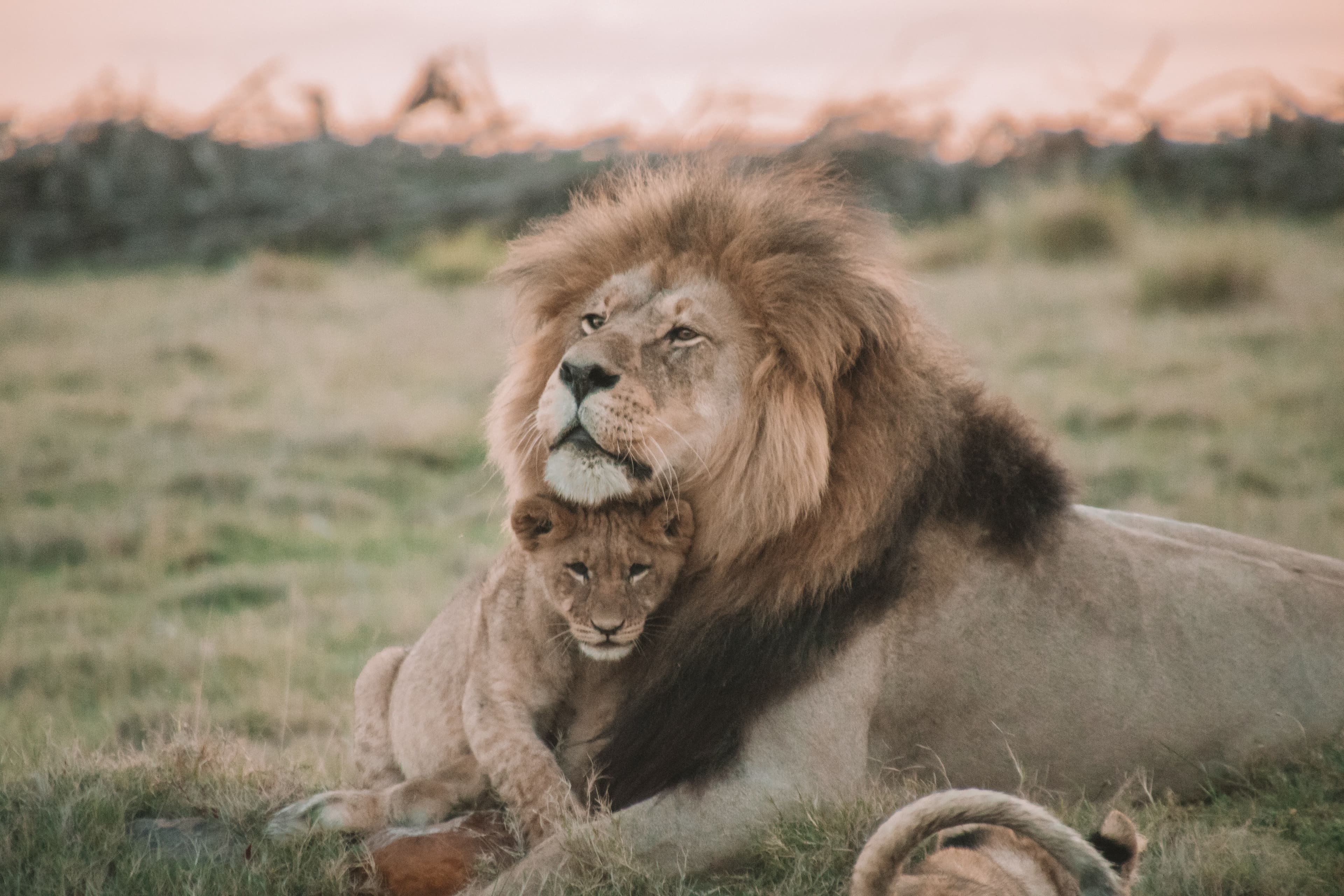
2. Maasai Mara National Reserve, Kenya
- Highlight: Big Five and Wildebeest Migration
- Best Time to Visit: July to October
Adjacent to the Serengeti, the Maasai Mara National Reserve in Kenya is another prime destination for witnessing the Great Migration. Known for its abundant wildlife, the Mara is one of the best places to see the Big Five in their natural habitat. The Mara River crossings during the migration season are particularly dramatic, as predators lie in wait for the herds. The reserve's rolling hills and open savannahs provide a picturesque backdrop for unforgettable safari experiences.
Expert Perspectives: The Fascination of Kenyan Wildlife
Kenya’s wildlife experience receives high praise from seasoned travel writers and safari veterans. According to Anthony Ham, author of the Lonely Planet guide to Kenya, the annual wildebeest migration in the Masai Mara (typically July to October) stands out as an unparalleled natural spectacle—truly a world-class wildlife event that draws visitors from across the globe.
Lizzie Williams, author of the Footprint guide to Kenya, echoes this sentiment, highlighting Kenya as the very embodiment of the classic African safari. She notes that the iconic rolling hills and vast grassy plains are teeming with the wildlife travelers dream of, especially large populations of the renowned Big Five. Her observations confirm what many safari enthusiasts have long believed—Kenya offers some of the continent’s most rewarding and awe-inspiring game viewing.
What the Experts Say
Leading travel writers and guidebook authors consistently praise Kenya as one of the world’s ultimate safari destinations. According to Anthony Ham, author of the Lonely Planet guide to Kenya, witnessing the wildebeest migration in the Maasai Mara between July and October is considered "the greatest wildlife show on earth"—a spectacle unmatched anywhere else.
Lizzie Williams, who penned the Footprint guide to Kenya, highlights the classic safari experience the country offers. She notes that Kenya's rolling hills and open savannahs deliver the quintessential African scene, teeming with wildlife. Visitors can expect impressive concentrations of animals, including all members of the Big Five, making Kenya a favorite among both first-time and seasoned safari-goers.
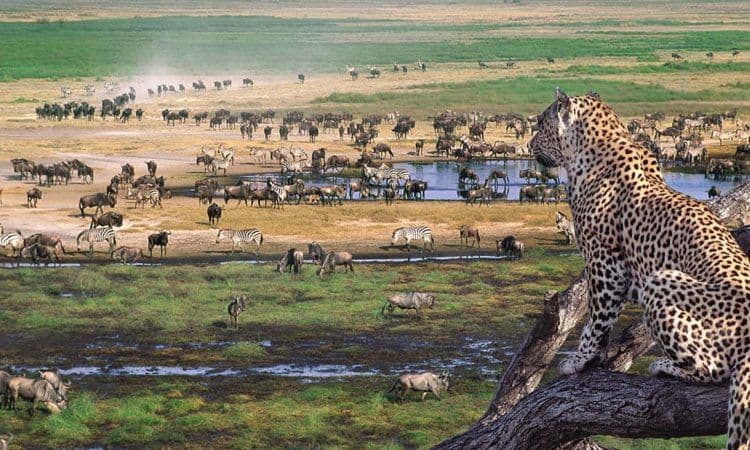
3. Kruger National Park, South Africa
- Highlight: Diverse Wildlife and Self-Drive Safaris
- Best Time to Visit: May to September
Kruger National Park is one of Africa’s largest and most popular game reserves. Located in northeastern South Africa, Kruger offers a wide variety of habitats, from savannahs to forests, and is home to an incredible diversity of wildlife. The park is especially known for its self-drive safaris, allowing visitors to explore at their own pace. In addition to the Big Five, Kruger is a great place to see wild dogs, hippos, and crocodiles. The park also has a well-developed infrastructure, with numerous rest camps and lodges catering to all budgets.
How Does South Africa’s Safari Experience Compare to Kenya’s?
When it comes to incredible safari destinations, South Africa easily holds its own right alongside Kenya. Both countries boast a wealth of top-ranked parks, spectacular wildlife, and iconic landscapes—but the overall experience has its own distinctive flavor in each.
In South Africa, the safari scene shines through its diversity. Stunning reserves are scattered across the country, offering everything from classic Big Five sightings to unique habitats and animal encounters. The country’s safari industry is particularly well-developed, with experienced guides and a blend of large public reserves and intimate private game areas. This means you can choose between the freedom of a self-drive adventure or the luxury of a private guided experience, all without compromising on wildlife spectacle.
One standout difference is accessibility. South Africa’s parks—like the legendary Kruger and the exclusive Sabi Sand Private Game Reserve—are especially easy to reach and explore. This makes planning your dream safari simple whether you’re a first-time visitor or seasoned wildlife enthusiast.
Meanwhile, Kenya's Maasai Mara is peerless for its Great Migration drama, but South Africa offers nearly guaranteed encounters with big cats, elephants, and rhinos, supported by well-developed infrastructure. No matter your preference, both destinations promise unforgettable safari moments against breathtaking backdrops.
What the Experts Say About South African Safaris
When it comes to South Africa’s safari scene, leading travel writers and renowned wildlife photographers are in agreement: few places offer such accessibility and variety. For travelers keen on spotting the Big Five, South Africa stands out, not only for the sheer number of animals but also for the convenience—many reserves, such as Kruger and Pilanesberg, let you explore at your own pace, often from the comfort of a rental car along well-paved roads.
Seasoned photographers and long-time residents praise the country’s remarkable diversity. South Africa is celebrated for its scenic contrasts, ranging from sun-kissed beaches and dramatic mountain ranges to arid deserts, mystical forests, and some of the most wildlife-rich parks on the continent. According to travel experts, the chance to experience such a rich tapestry of landscapes and ecosystems, all in a single destination, is what truly sets South Africa apart as a premier safari hotspot.
Planning Your Safari: Kenya & South Africa
Curious about the kinds of safaris you can embark on in Kenya and South Africa? Both countries offer an impressive range of experiences, operators, and travel styles to suit every adventurer.
Kenya Safari Options
In Kenya, you’ll find everything from classic game drives in the Maasai Mara to luxury fly-in safaris and guided walking adventures in private conservancies. Reputable operators like Abercrombie & Kent, Asilia Africa, and AfricanMecca take care of logistics—vehicles, guides, park fees—so you can focus on sightings and scenery. Prefer a hands-on approach? Self-drive and budget group tours are also widely available. The best wildlife action typically happens from July to October during the Great Migration.
South Africa Safari Choices
South Africa is famed for both its thrilling self-drive adventures—especially in the well-marked Kruger National Park—and high-end, all-inclusive lodge stays in private reserves like Sabi Sands. Operators such as &Beyond and Thompsons Africa offer bespoke itineraries that include everything from Big Five bush walks to wine-tasting side trips near Cape Town. Whether you’re after a family-friendly holiday or a romantic escape, there’s a safari to match. For prime viewing, plan your visit between May and September.
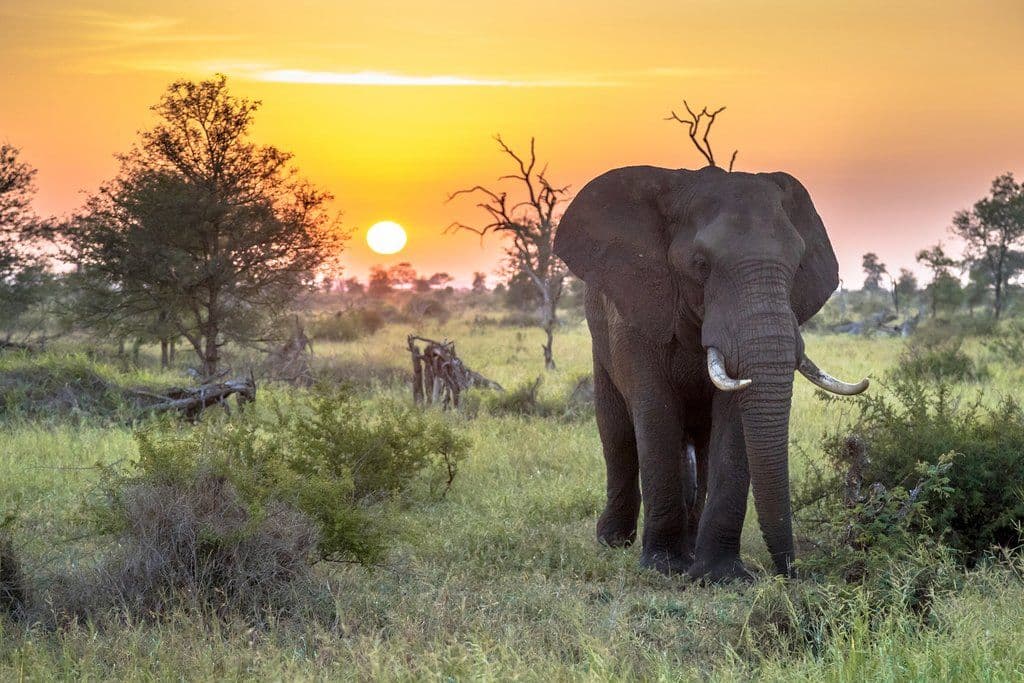
4. Chobe National Park, Botswana
- Highlight: Largest Elephant Population in Africa
- Best Time to Visit: May to October
Chobe National Park in Botswana is famous for its large elephant population, which is estimated to be around 120,000. The park's diverse ecosystems, including riverine woodlands, floodplains, and dry savannahs, support a wide variety of wildlife. Boat safaris along the Chobe River are a highlight, offering close-up views of elephants, hippos, and crocodiles. Chobe is also an excellent destination for bird watchers, with over 450 species recorded in the park.
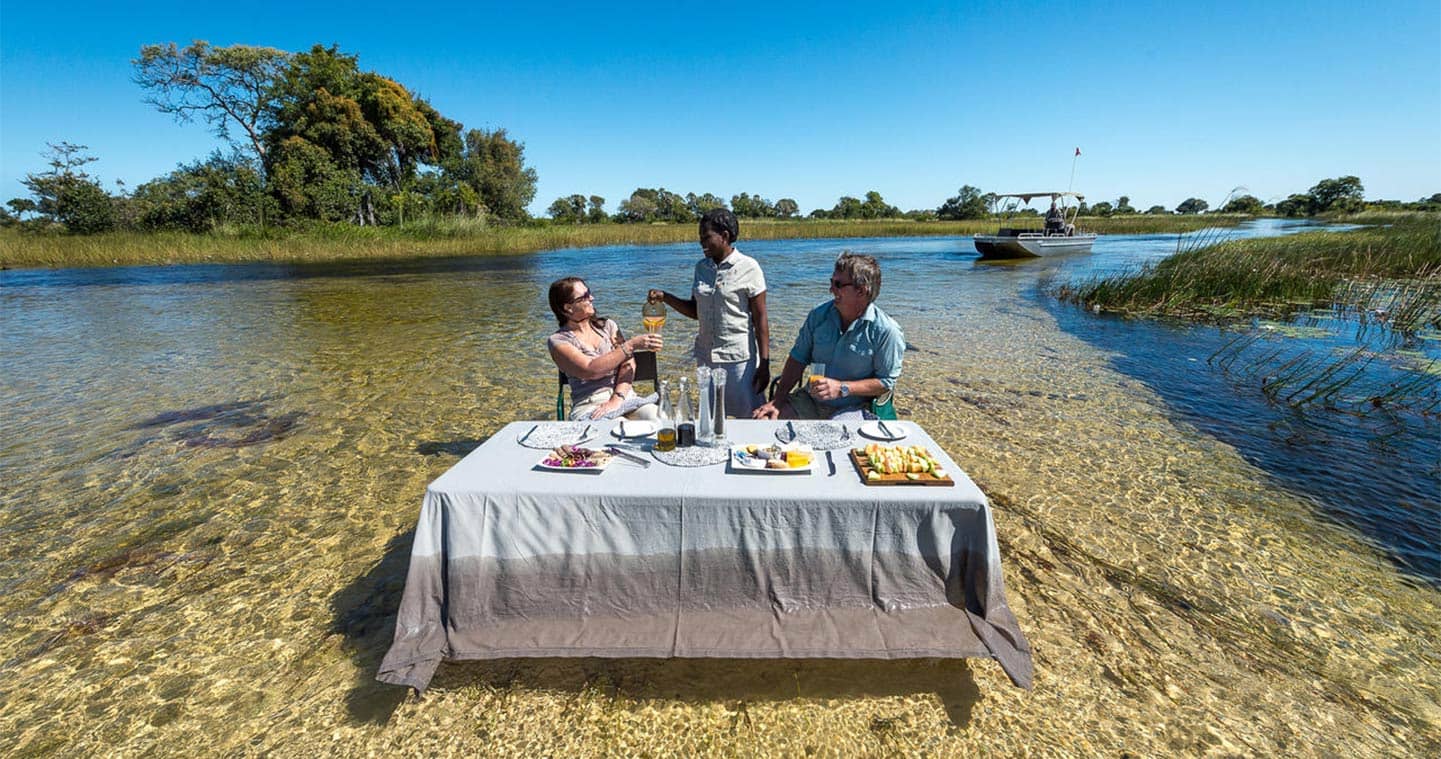
5. Bwindi Impenetrable National Park, Uganda
- Highlight: Mountain Gorilla Trekking
- Best Time to Visit: June to August, December to February
Bwindi Impenetrable National Park is a UNESCO World Heritage Site and one of the best places in the world to see mountain gorillas in the wild. Located in southwestern Uganda, Bwindi is a dense, mist-covered forest that offers a unique and challenging trekking experience. Gorilla trekking in Bwindi is a once-in-a-lifetime adventure, where you can spend an hour observing these gentle giants in their natural habitat. The park is also home to a rich diversity of other wildlife, including chimpanzees, monkeys, and over 350 bird species.

6. Etosha National Park, Namibia
- Highlight: Salt Pan and Unique Desert Wildlife
- Best Time to Visit: May to September
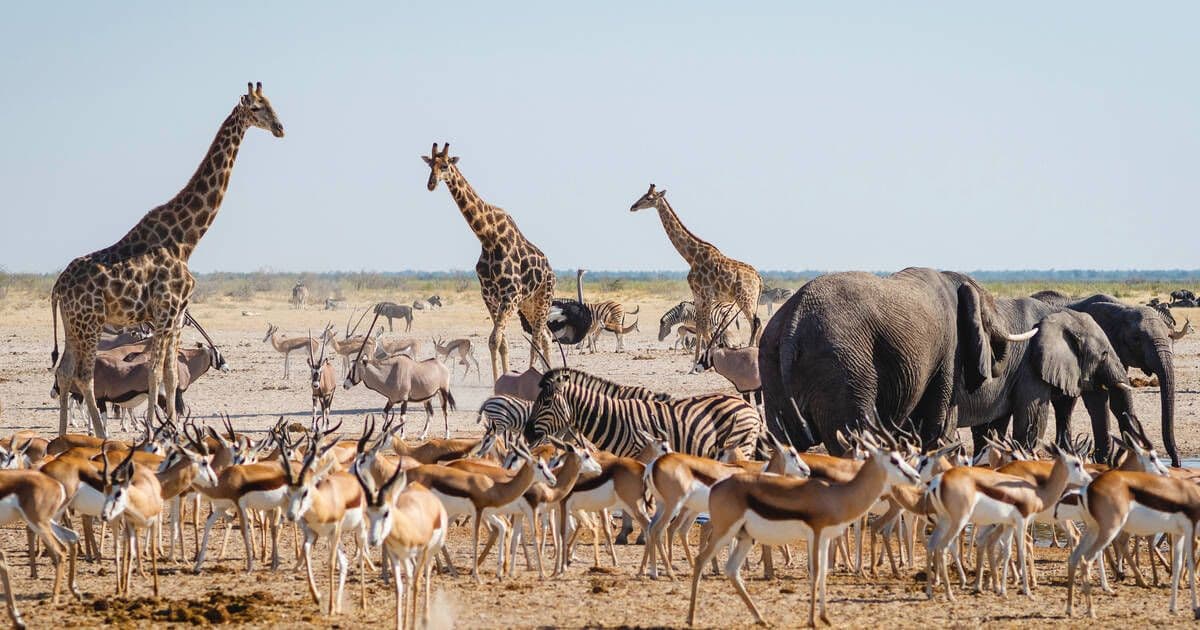
Etosha National Park is one of Namibia's premier wildlife destinations, centered around the vast Etosha salt pan. The pan is so large it can be seen from space, and during the dry season, it attracts a variety of wildlife to its waterholes, including elephants, lions, and endangered black rhinos. Etosha’s stark, arid landscapes offer a unique safari experience, with the chance to see desert-adapted species like the gemsbok and springbok. The park’s well-maintained roads make it an excellent choice for self-drive safaris.
7. Volcanoes National Park, Rwanda
- Highlight: Gorilla Trekking and Volcano Climbing
- Best Time to Visit: June to September
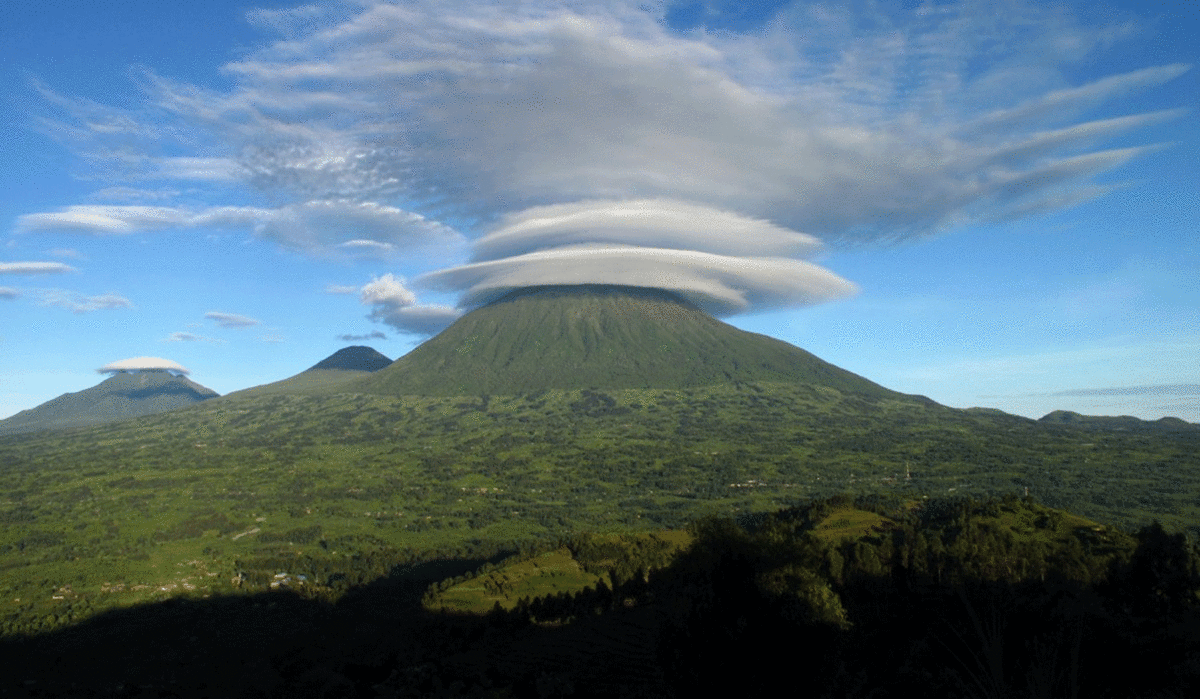
Volcanoes National Park in Rwanda is part of the Virunga Mountain range and is one of the best places to trek and see mountain gorillas. The park is a lush, montane forest with five towering volcanoes, providing a dramatic backdrop for your adventure. Gorilla trekking here is a profound experience, offering a close encounter with one of the world’s most endangered animals. The park also offers opportunities to hike to the summits of its volcanoes, explore ancient caves, and visit the gravesite of famed primatologist Dian Fossey.
8. Okavango Delta, Botswana
- Highlight: Unique Wetland Ecosystem and Water Safaris
- Best Time to Visit: June to October
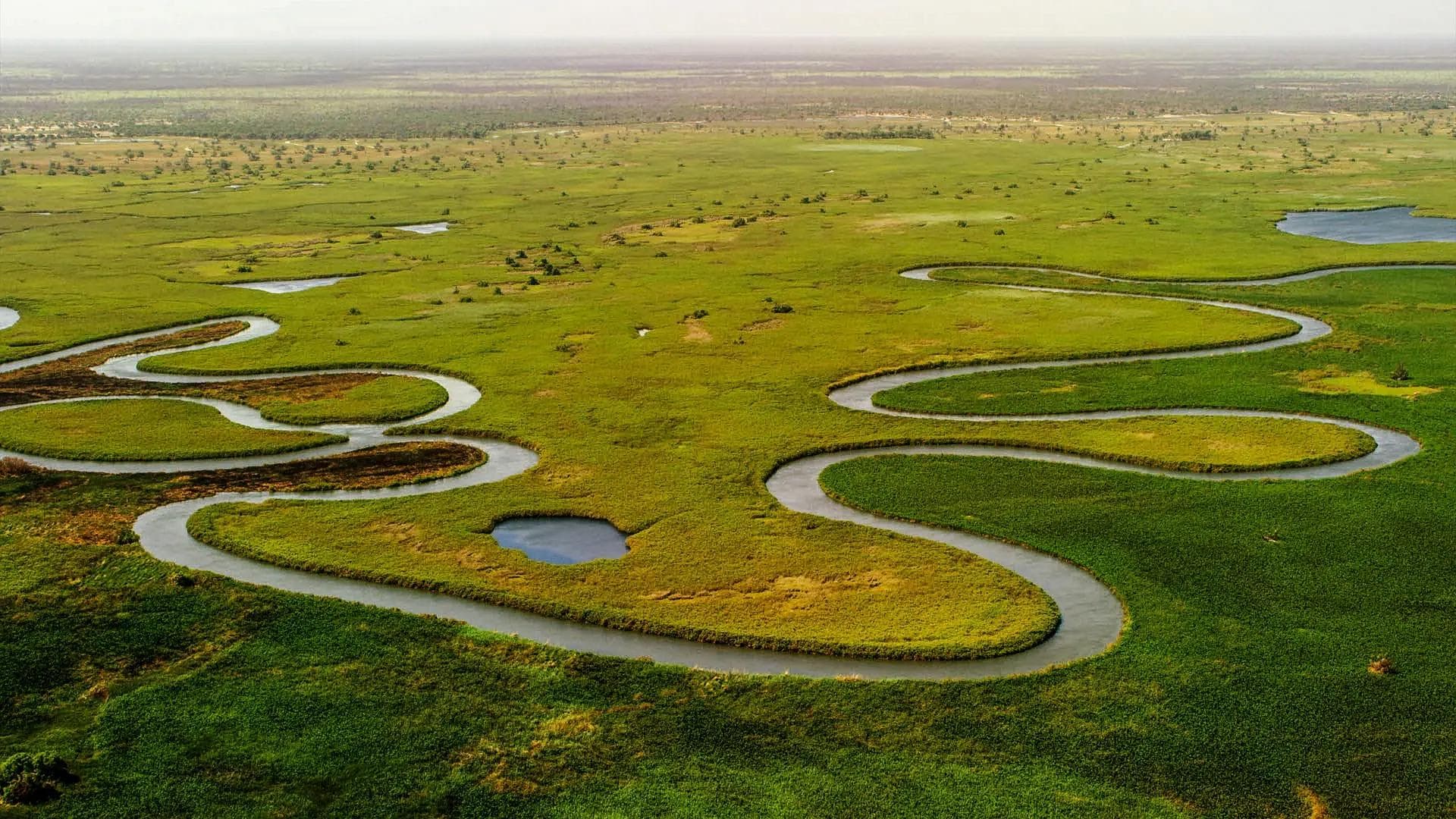
The Okavango Delta is a UNESCO World Heritage Site and one of Africa's most unique safari destinations. This vast inland delta in Botswana is a maze of waterways, lagoons, and islands that provide a sanctuary for a diverse array of wildlife. The delta's water-based safaris, conducted in traditional mokoro canoes, offer a peaceful and intimate way to explore the area. Expect to see hippos, crocodiles, and a variety of bird species, as well as big game like elephants, lions, and leopards.
9. Virunga National Park, Democratic Republic of Congo
- Highlight: Gorilla Trekking and Active Volcanoes
- Best Time to Visit: June to September
Virunga National Park is Africa’s oldest national park and a UNESCO World Heritage Site, known for its exceptional biodiversity and active volcanoes. Located in the Democratic Republic of Congo, Virunga is home to about one-third of the world’s mountain gorilla population. The park also offers the rare opportunity to hike up Mount Nyiragongo, one of the world’s most active volcanoes, where you can peer into its lava lake. Despite its challenges, Virunga is a rewarding destination for adventurous travelers.

10. South Luangwa National Park, Zambia
- Highlight: Walking Safaris and Unspoiled Wilderness
- Best Time to Visit: June to October
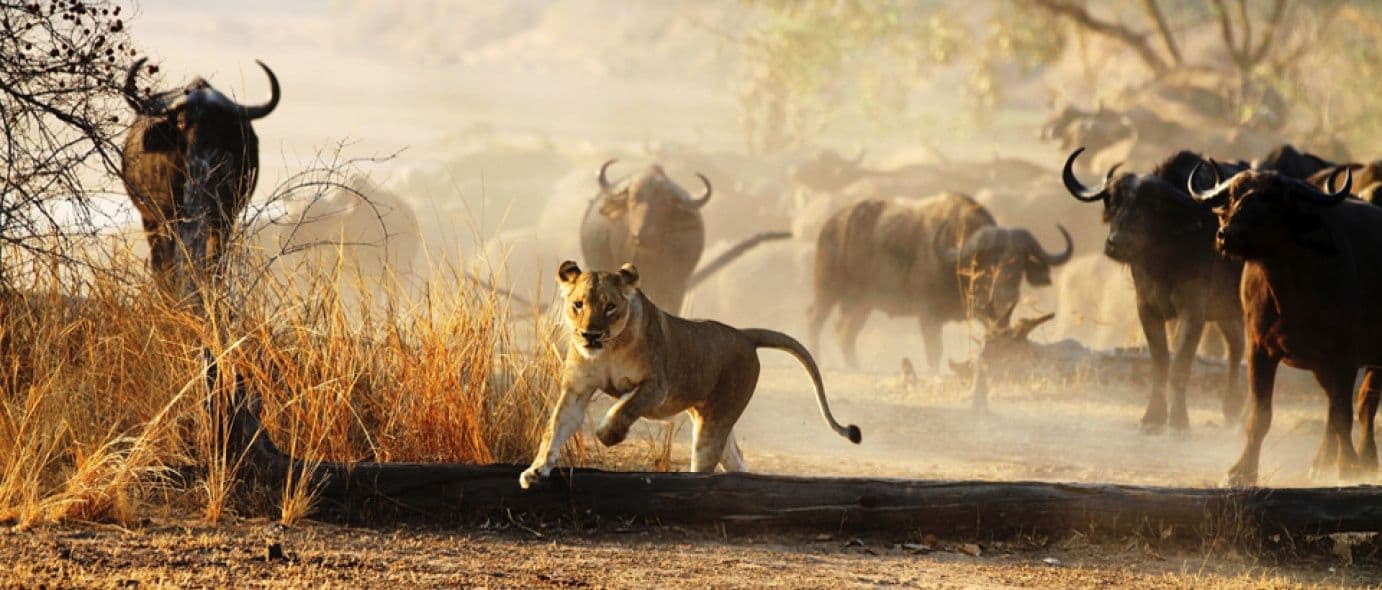
South Luangwa National Park is often referred to as one of Africa’s best-kept secrets. Located in eastern Zambia, it is famous for its walking safaris, which allow visitors to experience the African bush up close and personal. The park is home to a high concentration of wildlife, including elephants, lions, leopards, and a variety of antelope species. The Luangwa River, which flows through the park, attracts a plethora of animals, making it an excellent spot for wildlife viewing. South Luangwa is also less commercialized than many other parks, offering a more authentic and uncrowded safari experience.
Planning Your African Safari
When planning your African safari, consider the best times to visit each park based on the wildlife you want to see, the weather, and your budget. Each park offers a unique experience, from the dramatic river crossings of the Serengeti to the tranquil mokoro rides in the Okavango Delta. By carefully selecting your destinations and timing your visit, you’ll create an unforgettable safari adventure that captures the true essence of Africa's wild beauty.
Embark on your dream African safari today, and explore the continent's most iconic national parks. Whether you're tracking gorillas in the misty mountains of Rwanda or watching elephants graze along the banks of the Chobe River, Africa's national parks offer a lifetime of memories waiting to be made.
Top 5 national parks in Africa for wildlife viewing
Africa is a continent that is teeming with natural wonders and awe-inspiring landscapes. It is home to some of the most incredible wildlife on Earth, and there are numerous national parks that offer unparalleled opportunities to view these animals in their natural habitats. Here are the top 10 national parks in Africa for wildlife viewing:
Serengeti National Park, Tanzania: Known for its annual wildebeest migration, the Serengeti is a UNESCO World Heritage Site and offers some of the best wildlife viewing in Africa. The park is home to an abundance of wildlife, including lions, elephants, giraffes, zebras, and wildebeest.
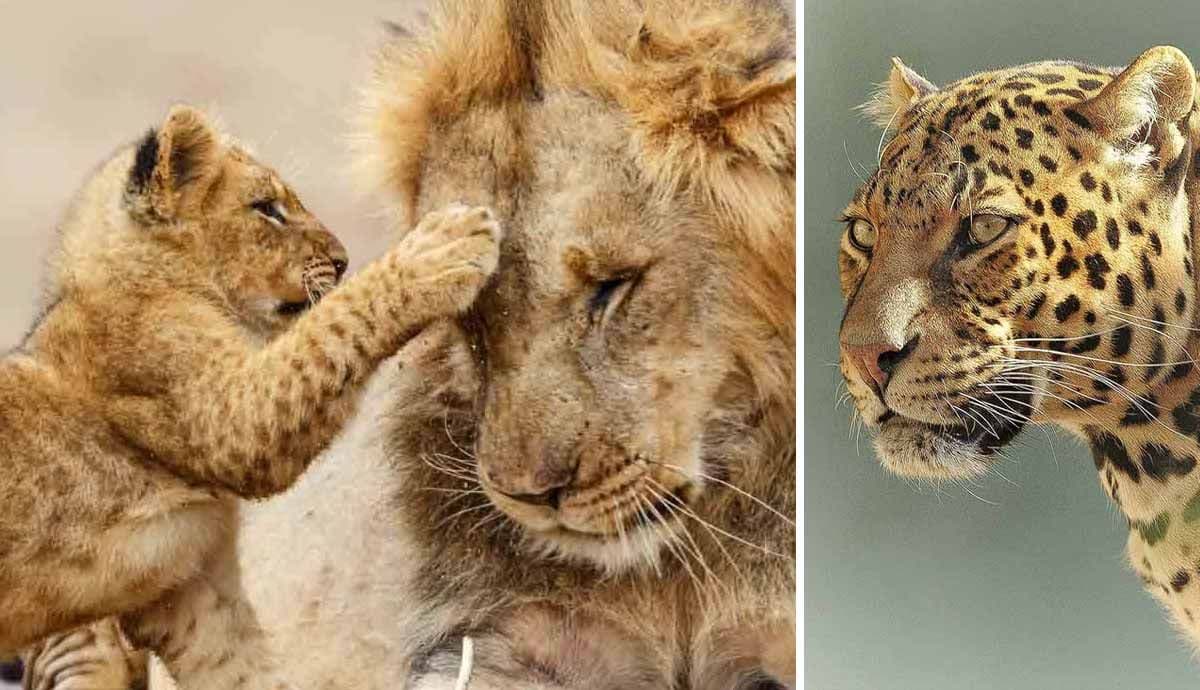
Kruger National Park, South Africa: One of the largest and most diverse game reserves in Africa, Kruger is home to an abundance of wildlife, including the Big Five (lion, elephant, buffalo, leopard, and rhinoceros). The park also offers a variety of landscapes, from savanna grasslands to dense forests and towering mountains.
Masai Mara National Reserve, Kenya: Famous for its large population of lions and the annual wildebeest migration, the Masai Mara is a must-see for wildlife enthusiasts. The park offers breathtaking views of the African savanna and is home to a variety of wildlife, including cheetahs, leopards, elephants, and zebras.
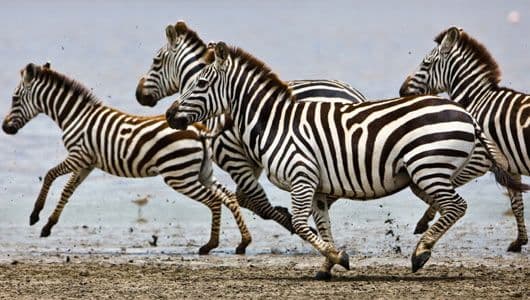
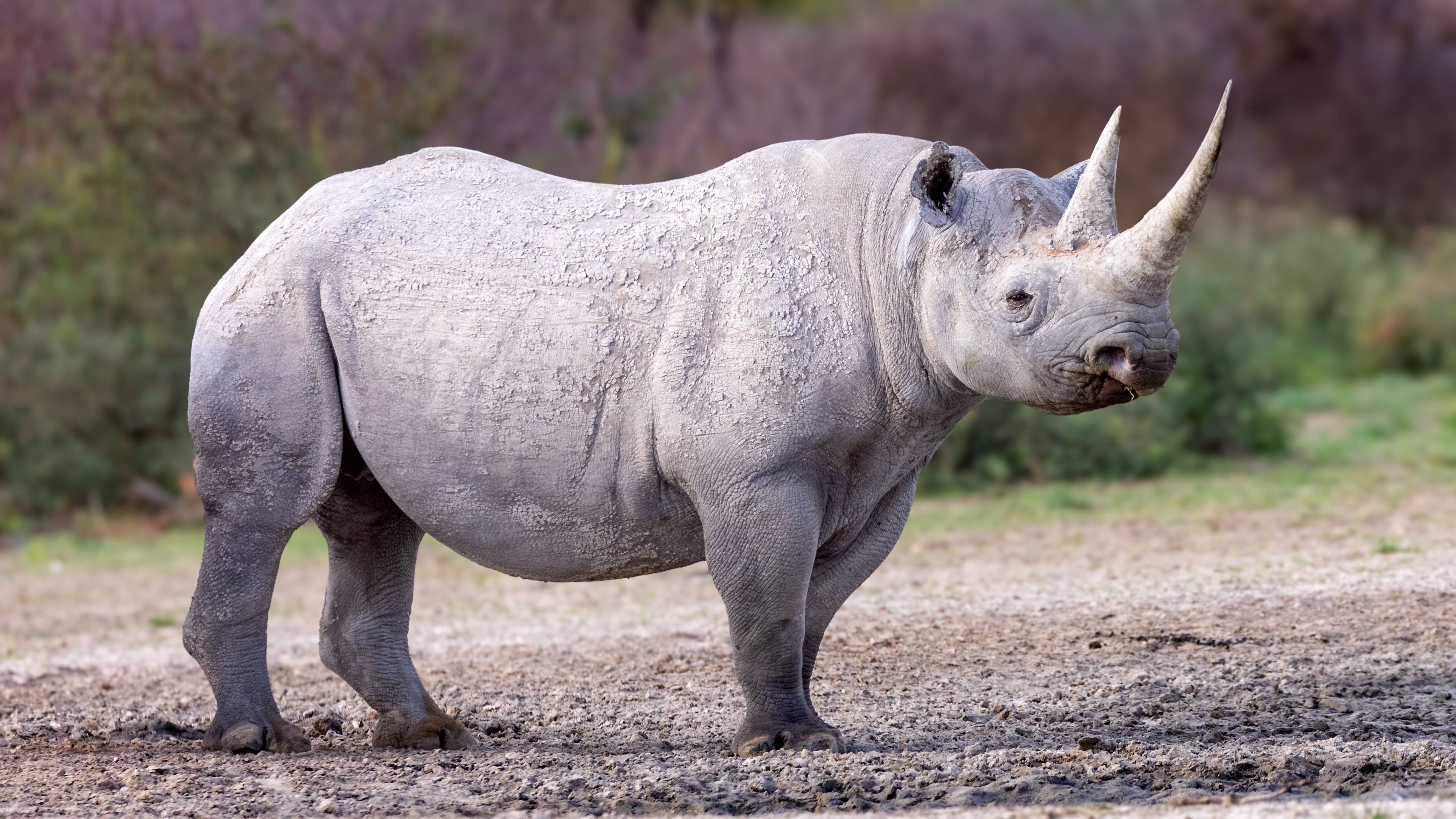
Etosha National Park, Namibia: Known for its vast salt pan and diverse wildlife, including large herds of elephants and endangered black rhinos, Etosha is a unique and unforgettable safari destination. The park also offers a variety of landscapes, including grasslands, savanna, and desert.
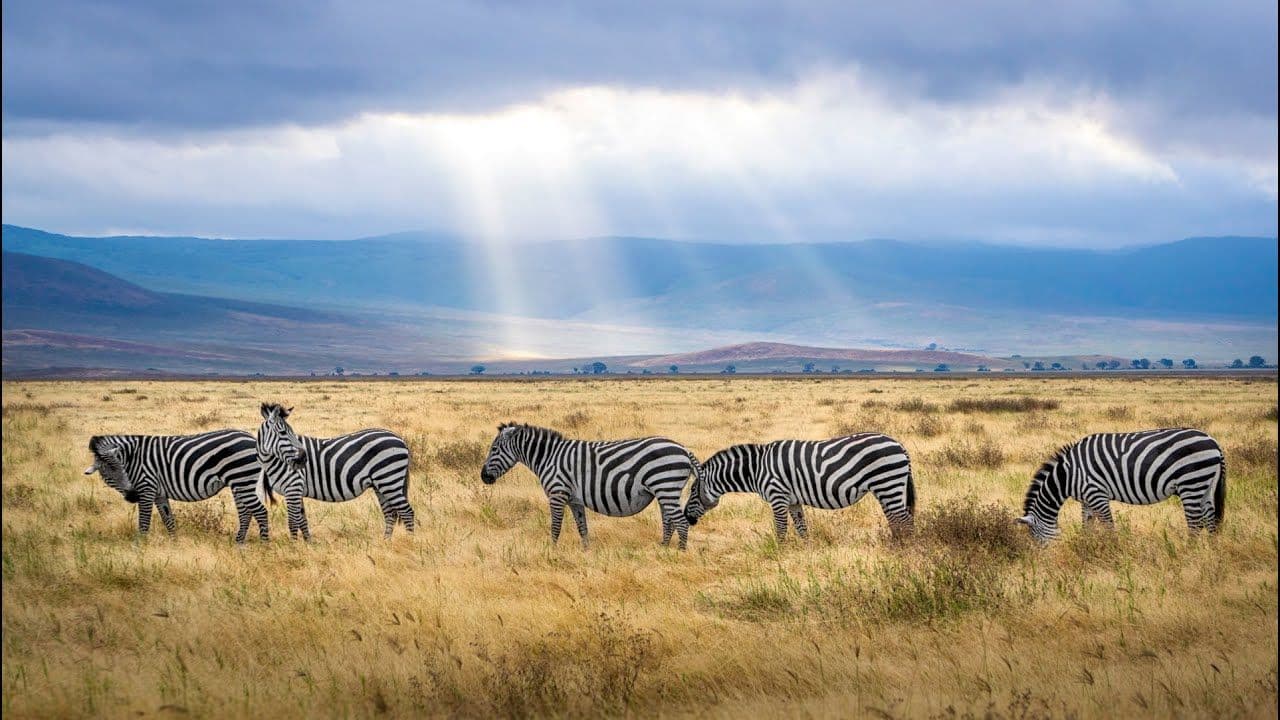
Chobe National Park, Botswana: Located in northern Botswana, Chobe is renowned for its large elephant population and offers excellent opportunities for wildlife viewing, particularly along the Chobe River. The park is also home to a variety of other wildlife, including lions, leopards, buffaloes, and zebras.
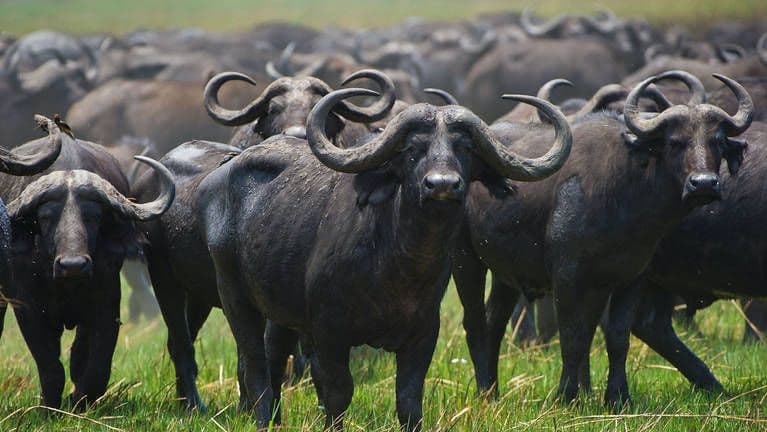
Don't miss out on the opportunity to experience the incredible wildlife and natural beauty of Africa's national parks. Get a free quote for your dream African safari adventure today!
10 Best National Parks in Africa, by Country
Africa, a continent celebrated for its stunning natural beauty and rich wildlife, is home to some of the most incredible national parks in the world. These parks offer visitors unparalleled opportunities for wildlife viewing and unforgettable experiences. Here’s a list of the 10 best national parks in Africa, organized by country, each offering a unique blend of landscapes and extraordinary wildlife encounters.
Tanzania: Serengeti National Park
- The Serengeti is synonymous with safari and is one of Africa’s most iconic national parks. It is renowned for the Great Migration, where millions of wildebeest, zebras, and gazelles embark on a journey across the vast plains. This park offers unparalleled opportunities for wildlife viewing, with predators like lions and cheetahs following closely behind the migrating herds.
Kenya: Maasai Mara National Reserve
- The Maasai Mara is world-famous for the annual wildebeest migration, a breathtaking spectacle where millions of wildebeest and zebras move across the plains in search of fresh grazing. This park is also a prime location to see the "Big Five" – lion, elephant, buffalo, leopard, and rhino – in their natural habitat. The Maasai Mara offers a classic African safari experience with its wide-open savannahs and rich wildlife.
Kenya truly stands out as one of Africa’s premier safari destinations, boasting more top-rated parks than any other country on the continent. Nearly a quarter of Africa’s very best safari parks are found here, giving travelers an abundance of choices when planning their ultimate wildlife adventure. The Maasai Mara National Reserve regularly tops the list, but Kenya’s safari offerings don’t end there—other iconic parks such as Samburu National Reserve, Tsavo West National Park, and Amboseli National Park also deliver unforgettable encounters with wildlife and classic East African scenery. Thanks to Kenya’s professional safari industry and diverse landscapes, you’ll find no shortage of opportunities to witness extraordinary animals and sweeping vistas that define the heart of the safari experience.
South Africa: Kruger National Park
- Kruger National Park is one of Africa’s largest game reserves and offers a quintessential safari experience. Known for its diverse ecosystems, Kruger is home to the Big Five and hundreds of other species, making it a must-visit destination for wildlife enthusiasts. The park is well-equipped with lodges and camps, providing both luxury and budget-friendly options.
Stretching across the northeast corner of South Africa, Kruger’s sheer size means you’re almost guaranteed classic wildlife sightings—think elephants, rhinos, lions, leopards, and buffalo—set against a backdrop of sweeping savanna, riverine forests, and rugged bushveld. Visitors consistently praise Kruger for being both accessible and impressively wild, whether you’re setting out on a self-drive adventure or joining a guided safari.
What makes Kruger especially remarkable is its mix of public and private reserves, each managed by a highly experienced safari industry that takes conservation and guest experience seriously. This blend results in a park that caters to every type of traveler, from first-timers hoping to check off the Big Five to seasoned safari-goers seeking rare sightings and a slice of wilderness that still feels untamed.
- What sets South Africa apart as a tourist destination is its remarkable diversity. Within a single journey, you can encounter everything from stark deserts and fairy-tale forests to white sandy beaches, rugged mountains, and vibrant cities. Kruger itself embodies much of this variety, with landscapes ranging from open savannahs to dense woodlands, each teeming with unique flora and fauna. Whether you’re winding through the park’s scenic routes or relaxing at your camp under a star-lit sky, you’ll find that South Africa’s spirit of adventure and natural beauty is never far away.
Botswana: Chobe National Park
- Chobe National Park is famous for its large elephant population, one of the highest concentrations in Africa. The park’s Chobe River provides a unique vantage point for wildlife viewing, where you can see herds of elephants, buffaloes, and hippos along the water’s edge. A boat safari on the Chobe River is an experience not to be missed.
Namibia: Etosha National Park
- Etosha National Park is known for its vast salt pan, which can be seen from space. This park offers unique landscapes and diverse wildlife, including endangered black rhinos, lions, and large herds of zebras and wildebeest. The park’s waterholes provide excellent opportunities for spotting wildlife, particularly during the dry season.
Zambia: South Luangwa National Park
- South Luangwa is a haven for walking safaris, offering an intimate experience with nature. The park is known for its high density of leopards, as well as large herds of elephants and buffaloes. The Luangwa River attracts a variety of wildlife, making this park a great destination for those seeking a more rugged and off-the-beaten-path safari experience.
Rwanda: Volcanoes National Park
- Volcanoes National Park is famous for its population of endangered mountain gorillas. Gorilla trekking in this park is a once-in-a-lifetime experience, offering a rare opportunity to observe these majestic creatures in their natural habitat. The park’s lush rainforests and volcanic landscapes add to the awe-inspiring experience.
Uganda: Queen Elizabeth National Park
- Queen Elizabeth National Park is one of Uganda’s most popular destinations, known for its diverse ecosystems that range from savannahs to wetlands and crater lakes. The park is home to tree-climbing lions, chimpanzees, and over 600 species of birds. A boat trip on the Kazinga Channel offers a close-up view of hippos, crocodiles, and water birds.
Zimbabwe: Hwange National Park
- Hwange National Park is Zimbabwe’s largest game reserve and is renowned for its large elephant population and diverse wildlife. The park offers a true wilderness experience, with a variety of habitats that support a wide range of species. Visitors can enjoy game drives, walking safaris, and the park’s less-crowded atmosphere.
Madagascar: Isalo National Park
- Isalo National Park is known for its striking landscapes, including towering sandstone formations, deep canyons, and oases. The park’s unique flora and fauna, including lemurs, chameleons, and various bird species, make it a fascinating destination for nature lovers. Hiking through Isalo’s rugged terrain offers a different kind of safari experience, focused on the island’s endemic species and dramatic scenery.
Kenya’s Remarkable Presence in Africa’s Top Safari Parks
Kenya stands out as a premier safari destination, boasting an impressive twelve national parks featured among Africa’s Top 50. This outstanding representation highlights Kenya’s renowned diversity of wildlife and landscapes, making it a favorite for both seasoned explorers and first-time visitors alike. Whether you’re dreaming of seeing the Big Five or witnessing the iconic wildebeest migration, Kenya’s wealth of parks ensures unforgettable safari experiences in every corner of the country.
Each of these national parks showcases the incredible biodiversity of Africa, offering travelers the chance to create unforgettable memories while experiencing the continent’s wild beauty. Whether you’re tracking the Big Five, witnessing the Great Migration, or trekking to see mountain gorillas, these parks provide a true African adventure.
Best Time to Visit African National Parks
Planning your African safari is an exciting adventure, but choosing the best time to visit is crucial for a memorable experience. The timing of your trip can affect wildlife sightings, weather, and overall enjoyment. Below, we'll guide you through the best times to explore Africa's top national parks.
General Guidelines: Dry Season vs. Wet Season
Dry Season (June to October): This is the ideal time for wildlife viewing across most African national parks. During the dry season:
- Easier Wildlife Spotting: Vegetation is sparse, making it easier to see animals, which gather around shrinking water sources.
- Migration Highlights: You can witness extraordinary events like the wildebeest migration in Serengeti National Park.
- Favorable Weather: Clear skies and mild temperatures make outdoor activities more enjoyable.
Wet Season (November to May): The wet season brings lush landscapes and fewer crowds, but wildlife can be harder to spot due to dense vegetation. Some parks may become less accessible due to rain.
Shoulder Seasons (April-May and November-December)
- Quieter Parks: Visiting during these periods can offer excellent wildlife viewing with fewer tourists.
- Balanced Experience: Weather conditions are generally good, and the parks are less crowded, making it a great time for those seeking a more relaxed safari.
Specific Parks and Their Best Times
Serengeti National Park (Tanzania):
- Best Time: June to October for the Great Migration and easier wildlife viewing.
- Consider: Roads can be challenging during the wet season (March to May).
Maasai Mara National Reserve (Kenya):
- Best Time: July to October for the wildebeest migration.
- Year-Round Viewing: The park offers good wildlife viewing throughout the year due to its reliable water sources.
Kruger National Park (South Africa):
- Best Time: May to September for cooler temperatures and excellent wildlife viewing.
- Less Crowded: November to April is less busy, with beautiful green landscapes.
Chobe National Park (Botswana):
- Best Time: May to October for large elephant herds along the Chobe River.
- Shoulder Season: November offers fewer crowds but still great wildlife viewing.
Bwindi Impenetrable National Park (Uganda):
- Best Time: June to August and December to February for gorilla trekking.
- Consider: April to May and October to November are wetter but less crowded.
Volcanoes National Park (Rwanda):
- Best Time: June to September for gorilla trekking.
- Year-Round: Gorilla trekking is possible year-round, but it's easier during the drier months.
Boulders Beach (South Africa):
- Best Time: February to May to see African penguins during their breeding season.
- Off-Peak: October to January offers a quieter experience.
Weather Considerations
- Dry Season: Generally, brings clear skies, making it ideal for safaris and other outdoor activities.
- Wet Season: Brings lush scenery but can make some parks harder to navigate due to muddy roads and occasional flooding.
Planning Your Safari
Ultimately, the best time to visit African national parks depends on your priorities:
- Wildlife Encounters: Aim for the dry season for optimal wildlife viewing.
- Budget and Crowds: Consider the shoulder seasons for fewer tourists and lower costs.
- Personal Preferences: Balance wildlife, weather, and budget for the perfect safari experience.
By carefully planning your trip, you'll ensure a safari that’s both unforgettable and awe-inspiring.
Tips for Planning an African National Park Safari
Planning a safari in Africa’s national parks is an exciting adventure that promises unforgettable wildlife experiences. To ensure you make the most of your trip, careful planning and preparation are essential. Here are some comprehensive tips to guide you through the process:
Choose the Best Time to Visit:
- The timing of your safari can significantly impact your experience. Different parks are best visited at different times of the year. For example, Serengeti National Park in Tanzania is famous for the annual wildebeest migration, which typically occurs from July to October. This period offers an awe-inspiring spectacle as millions of wildebeest, zebras, and other herbivores traverse the plains in search of fresh grazing grounds.
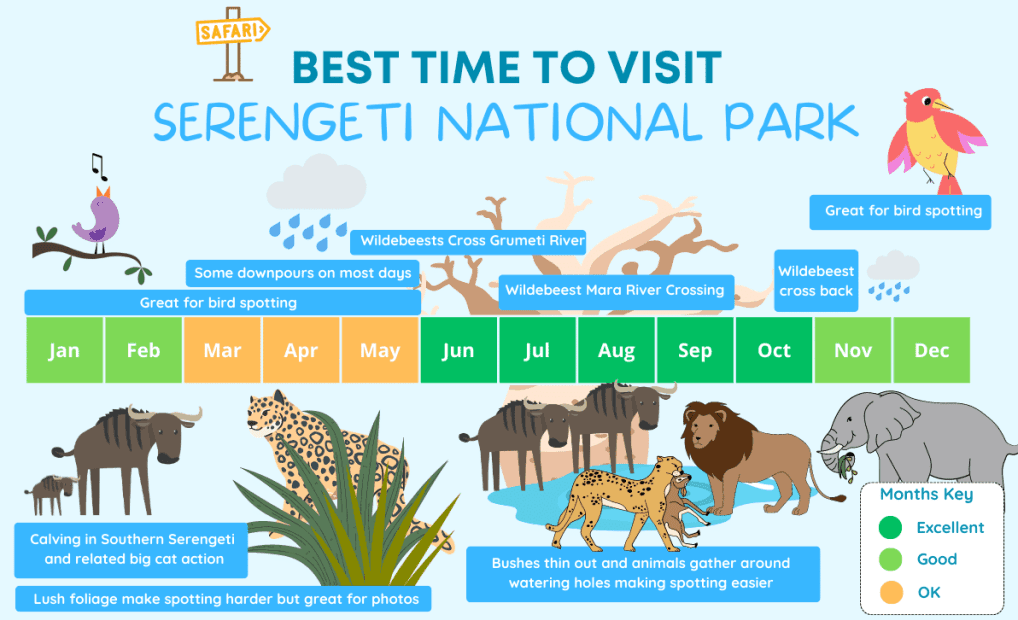
- On the other hand, Kruger National Park in South Africa is ideal during the dry season, from April to October. During this time, the vegetation is sparse, and animals are more easily spotted as they gather around water sources. South Africa truly shines when it comes to safari options: the country boasts a remarkable range of parks and reserves, each with its own flavor of wild landscapes and wildlife encounters. Whether you’re a first-timer or an old hand, you’ll find the safari industry here both welcoming and highly experienced, with a good mix of state-run parks and exclusive private reserves.Take Sabi Sand Private Game Reserve, for example—an iconic destination that sits right alongside Kruger and is renowned for luxury lodges and world-class wildlife viewing (especially if you’re hoping to spot elusive leopards). For many, Sabi Sand is the crown jewel, but Kruger itself is the beating heart of South African safari adventures. With its sheer size, Kruger offers almost-guaranteed sightings of elephants and rhinos, as well as plenty of opportunities to see big cats and the rest of the famed Big Five. Plus, accessibility is a huge draw: you can explore Kruger on a self-drive adventure or opt for a guided safari, making it easy for travelers with a range of budgets and interests to experience its wonders.
Select the Right Park for Your Interests:
- Africa boasts a diverse range of national parks, each offering unique wildlife and landscapes. If your goal is to see the Big Five (lion, elephant, buffalo, leopard, and rhino), Kruger National Park and Serengeti National Park in Tanzania are excellent choices. These parks are well-known for their high concentrations of these iconic animals. Whether you crave the iconic savannahs of the Serengeti or the varied terrain and abundant wildlife of South Africa’s parks, there’s a perfect safari for every traveler.
But the continent’s natural wonders certainly don’t end there. The Serengeti National Park in Tanzania is famous for its classic safaris and the spectacular wildebeest migration, with excellent chances to spot big cats and, if you’re lucky, the elusive rhino. Just across the border, Kenya’s Masai Mara National Reserve offers a similar drama, with sweeping savannahs and impressive predator action, especially during migration season.
For those after a more exclusive experience, South Africa’s Sabi Sand Private Game Reserve is a hotspot for close-up encounters with the Big Five, particularly leopards. Zambia’s South Luangwa National Park is renowned for walking safaris and abundant wildlife (minus the rhino), while Ruaha National Park in Tanzania blends classic drives with opportunities to spot cheetah and wild dog.
Botswana’s Okavango Delta and Moremi Game Reserve deliver water-based adventures, unique wetland scenery, and wildlife galore, though rhino sightings are rare. Meanwhile, Chobe National Park is legendary for its massive elephant herds and excellent boat safaris on the river.
If you’re drawn to jaw-dropping landscapes, Tanzania’s Ngorongoro Crater packs an astonishing concentration of wildlife—including all members of the Big Five—inside a stunning volcanic caldera. And for safari-goers craving the road less traveled, Katavi National Park in Tanzania is a remote gem where you can witness hippos piling into shrinking pools during the dry season.
Whether you’re ticking off the Big Five, watching a river crossing in the Mara, or drifting by mokoro in the Okavango, Africa’s top safari parks offer something magical for every wildlife enthusiast.
- For those interested in unique landscapes and varied wildlife, Etosha National Park in Namibia is a great option. The park is characterized by vast salt pans and an array of species that have adapted to the arid environment.
- Chobe National Park in Botswana is another fantastic choice, especially for elephant enthusiasts. The park is home to one of the largest elephant populations in Africa, and a boat safari along the Chobe River offers a unique perspective on these majestic creatures.
Book Your Accommodation Early:
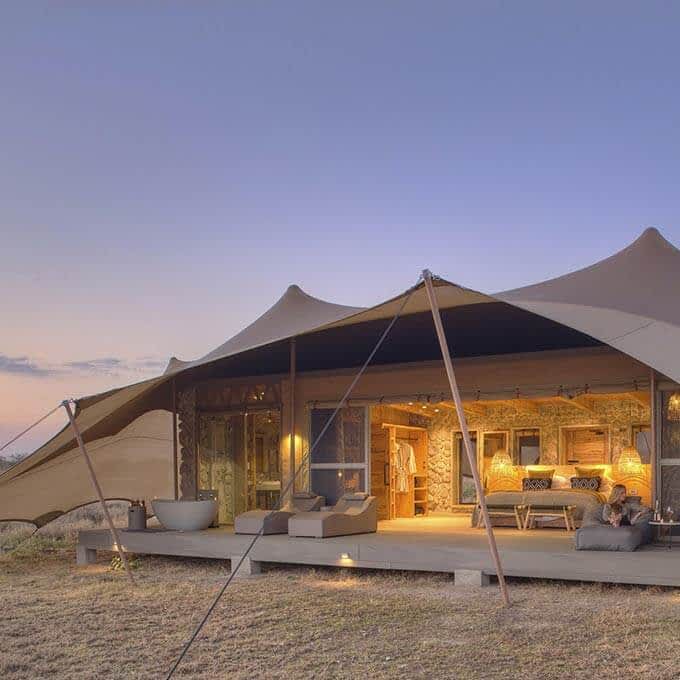
- Given the popularity of these parks, accommodation can fill up quickly, especially during peak seasons. It’s important to book your lodges, camps, or hotels well in advance to ensure you have a place to stay that aligns with your itinerary. Many parks offer a range of accommodation options, from luxury lodges to more budget-friendly campsites, allowing you to choose based on your preferences and budget.
Prepare and Pack Wisely:
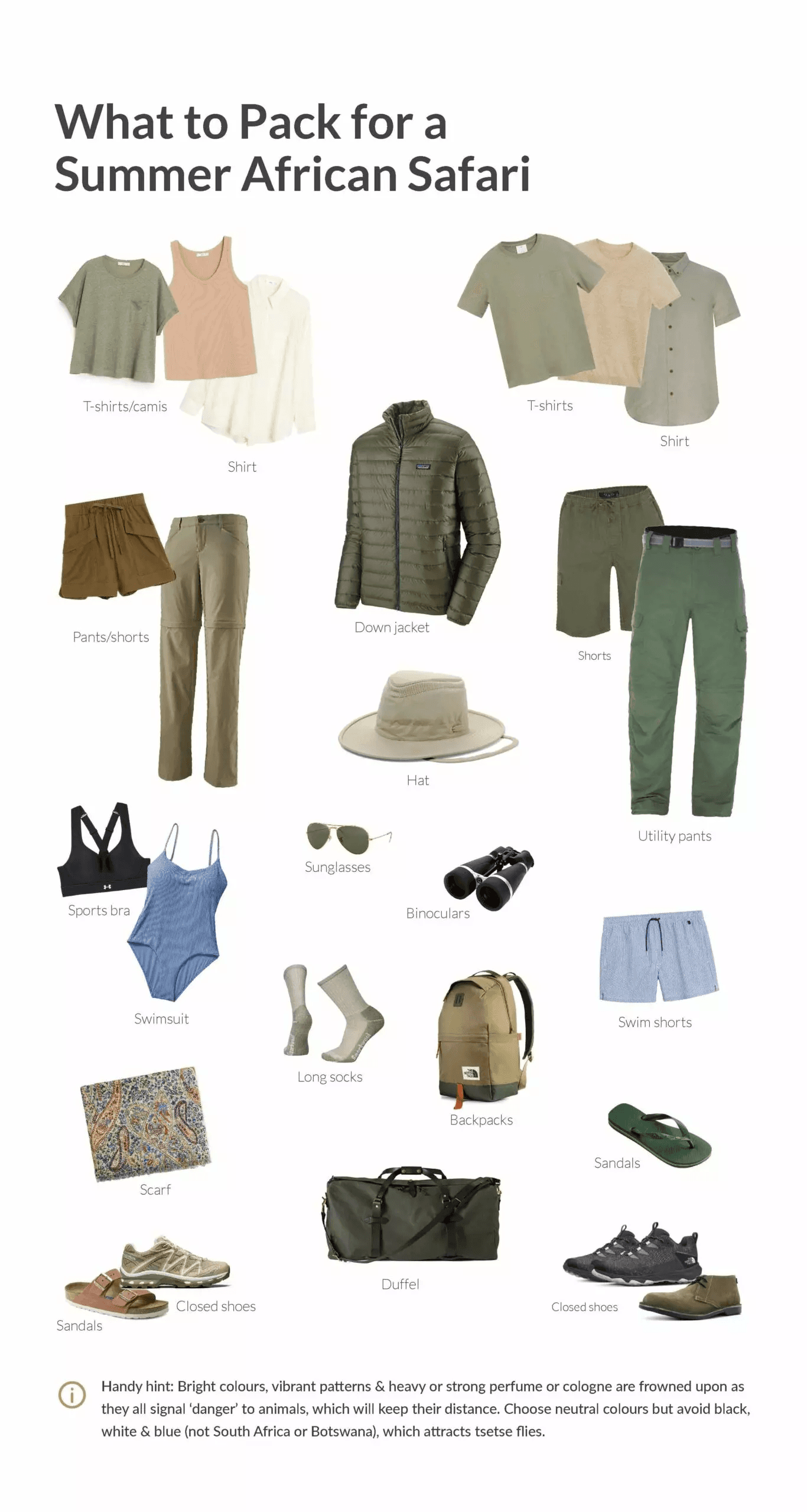
- Packing the right gear is crucial for a comfortable and enjoyable safari. Lightweight, neutral-colored clothing is recommended to blend into the natural environment and avoid attracting unwanted attention from wildlife. It’s also important to pack layers, as temperatures can vary widely between day and night.
- Sturdy, comfortable shoes are a must, especially if you plan on doing any walking safaris or exploring rugged terrains. A wide-brimmed hat, sunglasses, and sunscreen are essential to protect yourself from the intense African sun.
- Don’t forget to bring a pair of binoculars and a camera with a good zoom lens. These tools will greatly enhance your ability to observe and capture the incredible wildlife and landscapes you’ll encounter.
Prioritize Safety on Your Safari:
- Safety should always be your top priority. Always follow the instructions of your guide, who is trained to navigate the challenges of the bush and knows how to handle encounters with wildlife. Maintain a safe distance from animals, and never leave your vehicle unless instructed to do so by your guide.
- Be aware of potential hazards such as snakes, insects, and uneven terrain. It’s wise to carry a basic first-aid kit and any essential medications you may need. Additionally, make sure you have comprehensive travel insurance that covers medical emergencies and evacuation in case of unforeseen circumstances.
By following these tips, you’ll be well-prepared for an African national park safari that offers both adventure and awe in some of the world’s most breathtaking natural environments. Whether you’re tracking the Big Five, witnessing a migration, or simply soaking in the beauty of the savannah, a well-planned safari will leave you with memories to cherish for a lifetime.
What to Pack for an African National Park Safari
When heading out on an African national park safari, packing the right gear is key to a comfortable, safe, and enjoyable experience. Africa’s diverse landscapes and varying climates mean that what you pack can significantly influence your overall safari adventure. Here’s a friendly guide to help you prepare:
Lightweight, Layered Clothing:
- Africa’s weather can be unpredictable, with warm days and cooler mornings and evenings. Packing layers will help you stay comfortable throughout the day. Opt for lightweight, breathable clothing for daytime activities. A long-sleeve shirt can protect you from the sun and insects while keeping you cool. For the cooler parts of the day, a warm jacket or sweater is a must.
- Stick to neutral colors like khaki, olive green, and beige. These colors not only blend in with the natural surroundings but also help you avoid attracting unwanted attention from wildlife.
Sturdy Footwear:
- Safaris often involve walking on uneven or rough terrain, so having the right footwear is essential. Choose sturdy hiking boots or shoes that offer good ankle support and have a solid grip. These will help you navigate rocky paths and prevent injuries.
- Avoid open-toed shoes or sandals, as they offer little protection from thorns, sharp rocks, and potential insect bites. Your feet will thank you for the extra protection!
Sun Protection:
- The African sun can be intense, so it’s important to protect yourself from harmful UV rays. A wide-brimmed hat will shield your face and neck, while a good pair of sunglasses will protect your eyes.
- Don’t forget sunscreen with a high SPF—apply it generously and reapply regularly, especially after sweating or swimming. The sun can be relentless, so taking these precautions will help you avoid sunburn and discomfort.
Insect Repellent:
- Insects, particularly mosquitoes, can be a nuisance in African national parks. To protect yourself from bites and potential insect-borne diseases, pack a reliable insect repellent containing DEET or picaridin. Apply it liberally on exposed skin and clothing, especially during dawn and dusk when mosquitoes are most active.
- Wearing long sleeves and pants can also reduce your exposure to bites, adding an extra layer of protection.
Other Essentials:
- Don’t forget to pack essential items that will make your safari more enjoyable and convenient. A refillable water bottle is crucial to stay hydrated, especially in hot climates. Bring a camera and binoculars to capture and view the amazing wildlife up close.
- A small first-aid kit is always a good idea for treating minor injuries or ailments. If you take any medications, ensure you have enough for the entire trip, as pharmacies may be hard to find in remote areas.
- Depending on where you’re going, consider bringing a flashlight, a power bank to keep your devices charged, and a travel adapter for any electronics.
Remember:
- It’s important to pack light and focus on the essentials. Many national parks in Africa are in remote locations with limited facilities, so being self-sufficient and well-prepared is crucial for a successful safari. By packing smartly, you’ll be ready to fully enjoy the breathtaking landscapes, incredible wildlife, and unique experiences that an African safari has to offer. Safe travels!
Safety Precautions for Visiting African National Parks
Exploring Africa’s national parks offers incredible wildlife encounters and breathtaking scenery, but it’s essential to prioritize safety to fully enjoy your adventure. Here are some key safety precautions to keep in mind:
Join a Guided Group or Tour:
- African national parks are often vast and remote, and solo travel in these areas can be risky. It’s advisable to join a guided group or tour, especially if you’re visiting less-frequented regions. Guides are knowledgeable about the terrain, wildlife behavior, and safety protocols, which can greatly enhance your experience while keeping you safe.
- Before you set out, inform your embassy or consulate of your travel plans, including which parks you plan to visit and your expected duration of stay. This ensures that they can reach you in case of emergencies or provide assistance if needed.
Stay on Marked Trails and Follow Instructions:
- When exploring national parks, it’s crucial to stay on marked trails and avoid venturing off alone. Wild animals are unpredictable, and maintaining a safe distance is essential for your safety. Never approach or feed animals, as this can disrupt their natural behavior and lead to dangerous situations.
- Always listen to the instructions provided by park rangers and guides. They have extensive knowledge of the park’s terrain, wildlife patterns, and potential hazards, so following their guidance is crucial for a safe and enjoyable experience.
Take Precautions Against Tropical Diseases:
- Africa is home to various tropical diseases, including malaria. Before your trip, consult a healthcare professional to discuss recommended vaccinations and medications. It’s important to take antimalarial medication if advised and to use insect repellent to protect against mosquito bites.
- Carry a well-stocked first-aid kit that includes essential items like insect repellent, sunscreen, bandages, and any prescribed medications. Being vigilant about insect bites and sun protection can help you avoid discomfort and more serious health issues.
Purchase Comprehensive Travel Insurance:
- Before embarking on your safari, it’s highly recommended to purchase comprehensive travel insurance. Ensure that your policy covers medical emergencies, medical evacuation, and trip cancellation. In remote areas, access to healthcare can be limited, so having insurance that includes medical evacuation is particularly important.
- This financial protection provides peace of mind, knowing that you’ll have access to quality healthcare if needed and that unexpected events won’t ruin your trip.
Be Aware of Local Safety Guidelines:
- Different parks may have specific safety guidelines based on the wildlife and environment. For example, some parks might have rules about staying inside your vehicle at all times, while others may allow walking safaris with a guide. Understanding and adhering to these rules is vital for your safety.
- Additionally, it’s important to be aware of local customs and respect the environment. This includes avoiding littering, not disturbing wildlife, and being mindful of your impact on the natural surroundings.
By adhering to these safety precautions, you can significantly reduce risks and focus on enjoying the incredible wildlife and natural beauty that African national parks offer. Remember, safety should always be your top priority when exploring these untamed wildernesses. With the right preparation and a cautious approach, your safari will be a safe and unforgettable experience, allowing you to fully immerse yourself in the wonders of Africa’s most stunning landscapes.